 ×
×
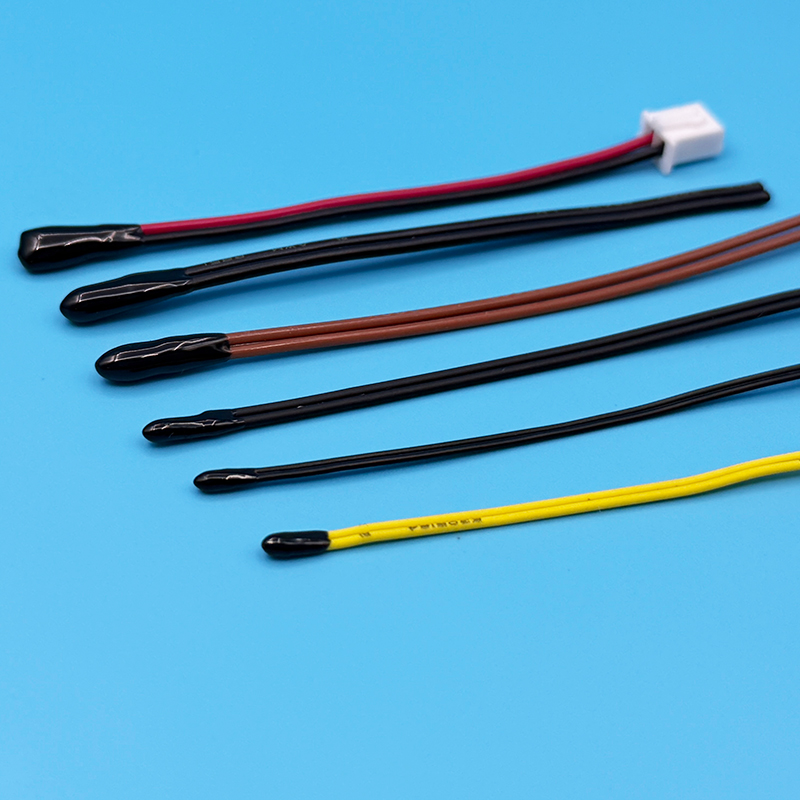
Key Thermistor Specs: 100k3950 100k Thermistor Nominal Resistance: 100k (R₂₅) 3950 Thermistor Sensitivity: 3950 (Beta B₂₅/₅₀) The first parameter, 100k, indicates Nominal Resistance at 25°C (R₂₅). For a design circuit, Rₙ is a critical thermist...
VIEW MORE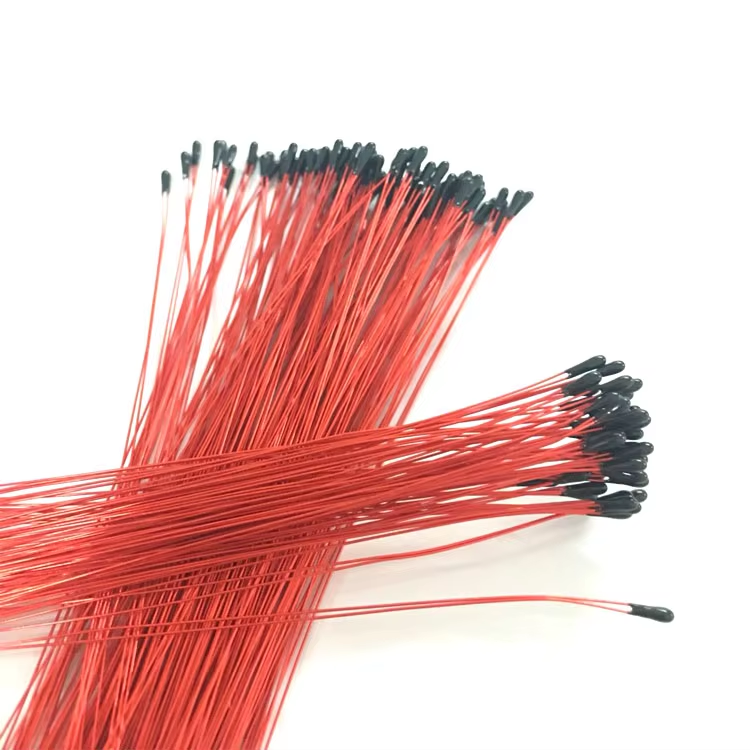
The Importance of Thin Film Thermistor Construction for Consumer Electronics Thin Film NTC and PTC Thermistors: Structure, Composition, and Usage Thin film NTCs and PTCs have completely opposite responses in terms of temperature but are built from ...
VIEW MORE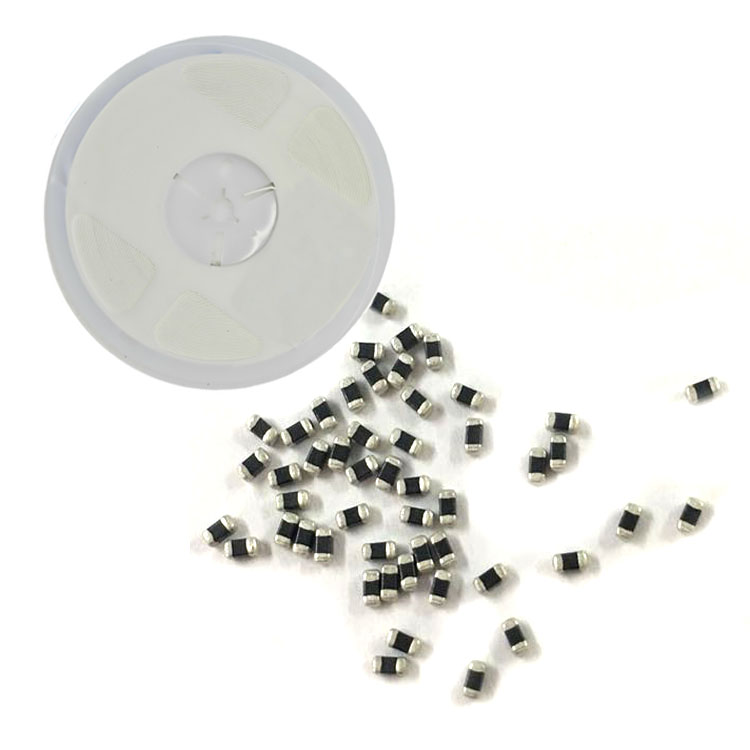
SMD Thermistors: Why Each Component is Unique Differences In Thermal Mass, and Soldering Sensitivity In NTC and PTC Thermistors The biggest distinction between NTC and PTC thermistors is their reaction to temperature: NTC’s decrease and PTC&r...
VIEW MORE
An SMD thermistor is a highly sensitive and miniaturized temperature sensor built from semiconductor ceramic materials and is classified as a Surface-Mount Device (SMD). As temperatures change, miniaturized SMD thermistors change their resistance, ...
VIEW MORE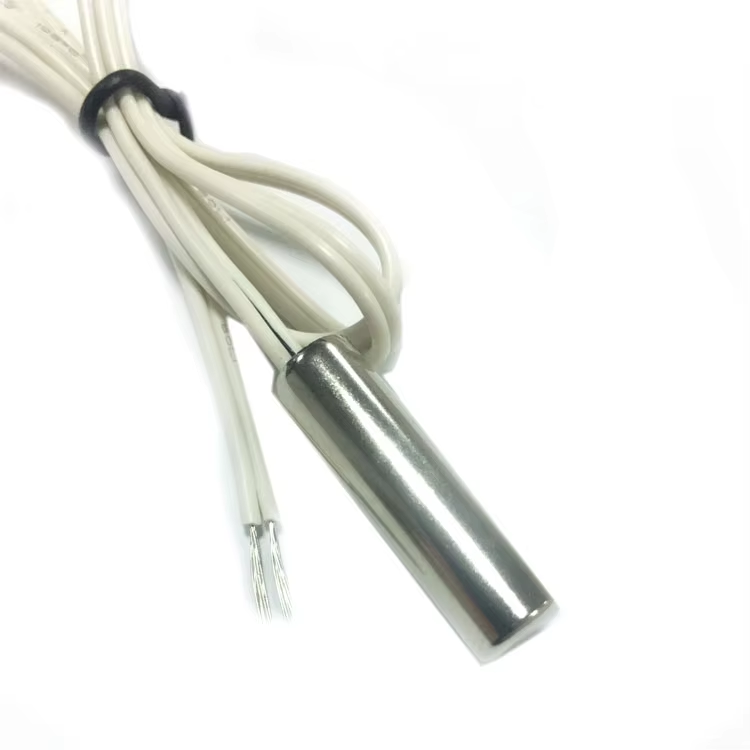
Materials That Withstand High Temps Used in Packaging and Substrates for Sensors Silicon Carbide, Ceramics, and Other Wide-Bandgap Semiconductors The materials used for high-temperature sensors that operate at 600°C and above are high-temperatu...
VIEW MORE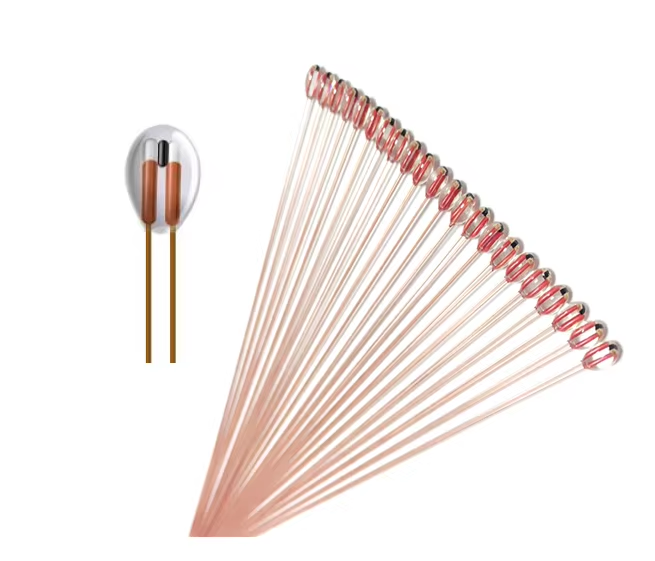
Low Parasitic Effects: The Core Advantage of Thin Film Thermistors Thin-film thermistors are designed to reduce the known frequency-dependent problems of unwanted capacitance and inductance that disrupt high-frequency signals and, due to their sub-...
VIEW MORE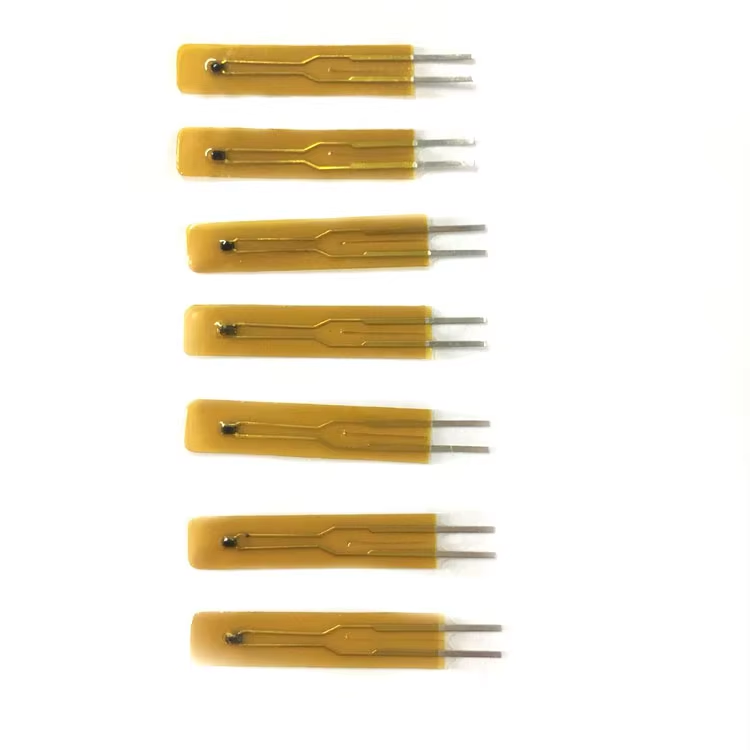
Fundamental Concepts for The Functionality of Thin Film Thermistors Temperature Measurement Accuracy Due to NTC Resistive Properties The operation of NTC thermistors is governed by the principles of semiconductors. At elevated temperatures, metal o...
VIEW MORE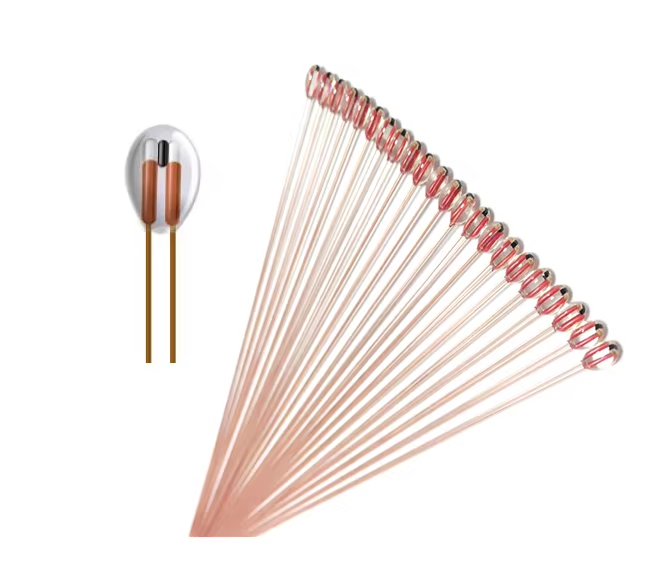
SMD Thermistors Basics: Manufacturing and Role Match With SMT SMD Thermistors Shape and Design for Easy Positioning and Reflow SMD thermistors geometry provides for construction as standard rectangles or cylinders (0402 - ~1 x 0.5 mm) or (1206 - ~3...
VIEW MORE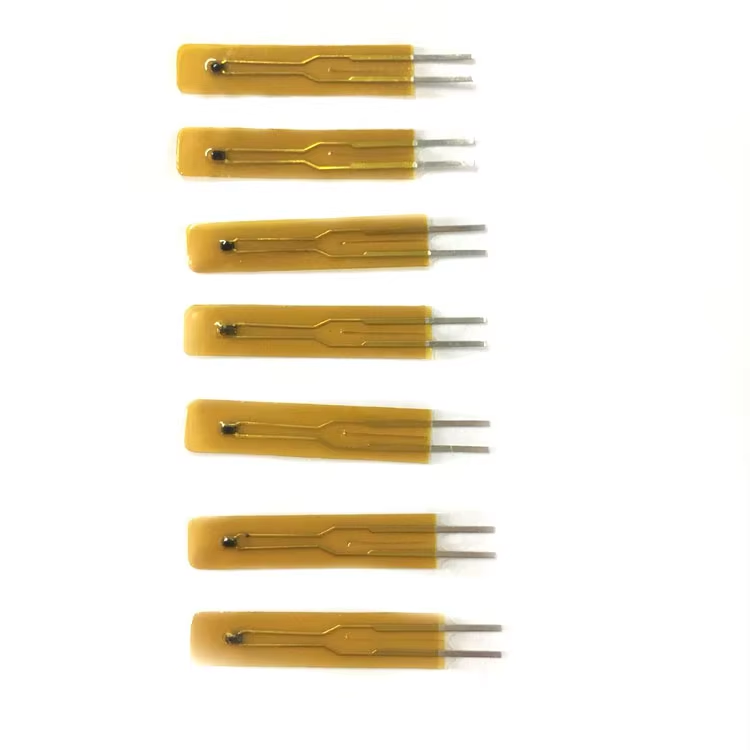
The Science of Materials Used in High Temperature Thermistors Thermal Stability of Ceramic Oxides, Glass Body, and Metal Encasements Heat-resistant thermistors utilize specific oxides of ceramic materials. Typically, positive temperature coefficien...
VIEW MORE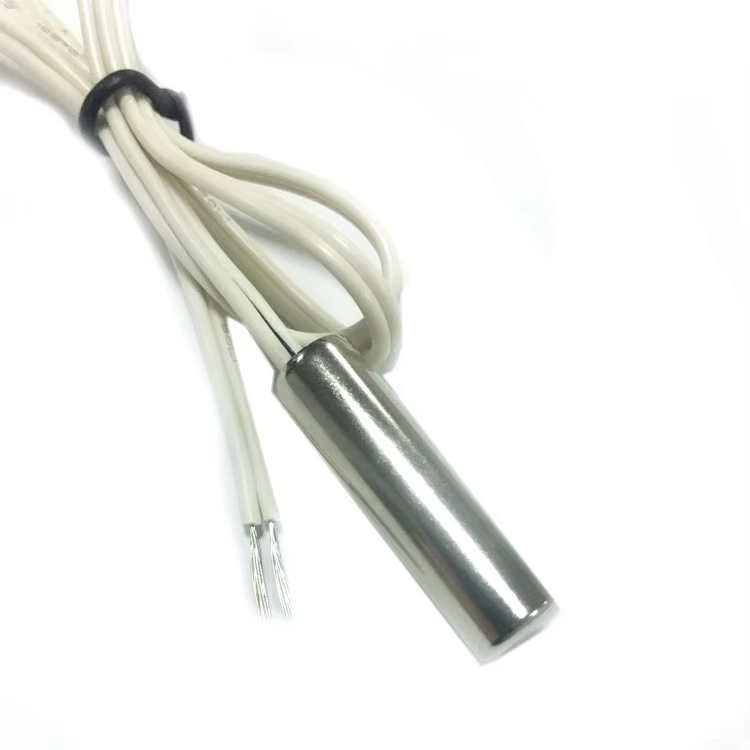
Why IP68 Alone Isn't Enough for High Temperature Sensor Applications The Critical Gap: IP68 Only Certifies Protection From Ingress, Not Protection From Heat IP68 ratings mean complete protection from dust and total submersion in water, but it says ...
VIEW MORE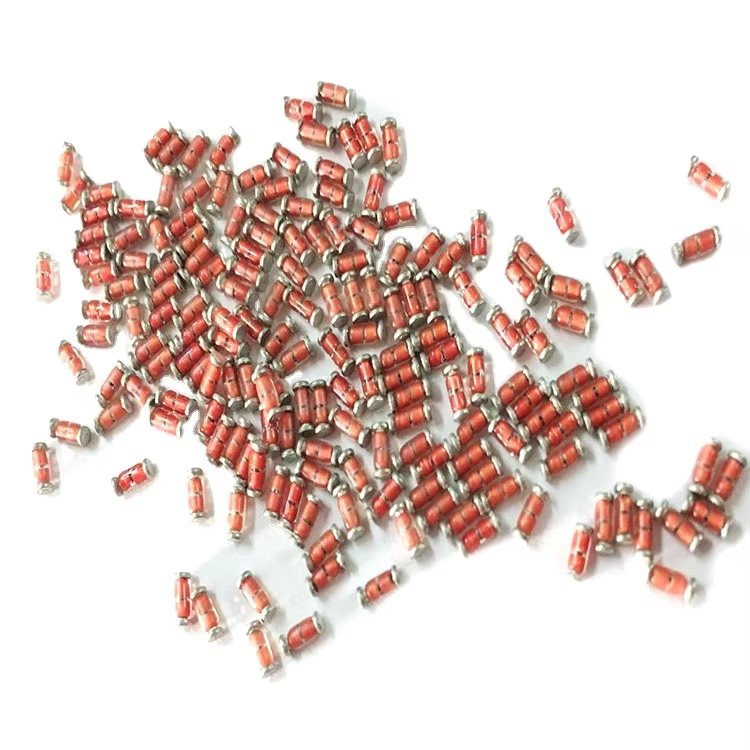
Standard and Extended Operating Ranges of Automotive-Grade SMD Thermistors Automotive SMD thermistors are built to endure hostile and extreme temperature conditions. Their performance boundaries are fundamental to the reliability of the entire syst...
VIEW MORE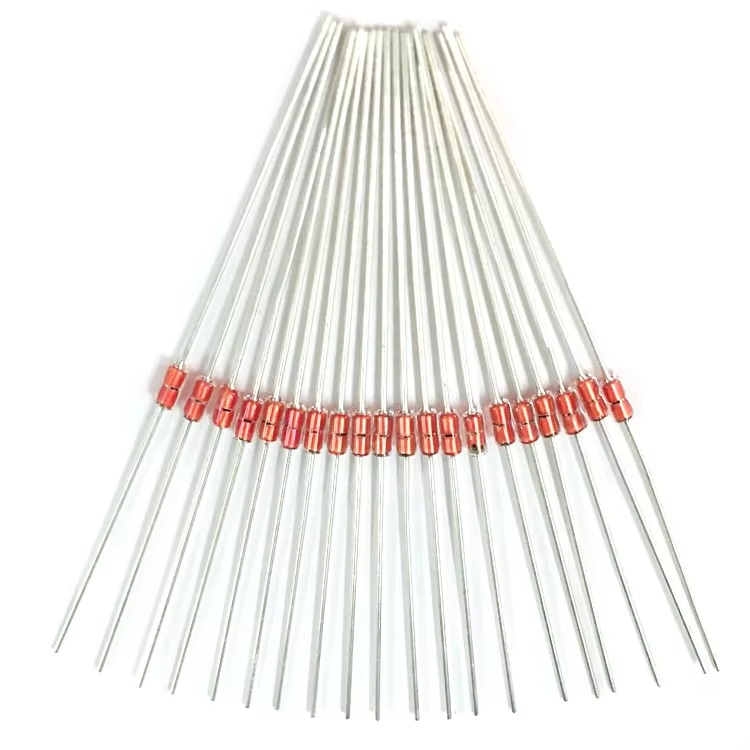
Resettable Overcurrent Protection via SMD Thermistors Self-Resetting Mechanism of SMD Thermistors: The PTC Effect in Miniature Form In addition to providing miniaturized self-resetting overcurrent protection, SMD thermistors utilize the Positive Te...
VIEW MORE


 EN
EN

