
 EN
EN



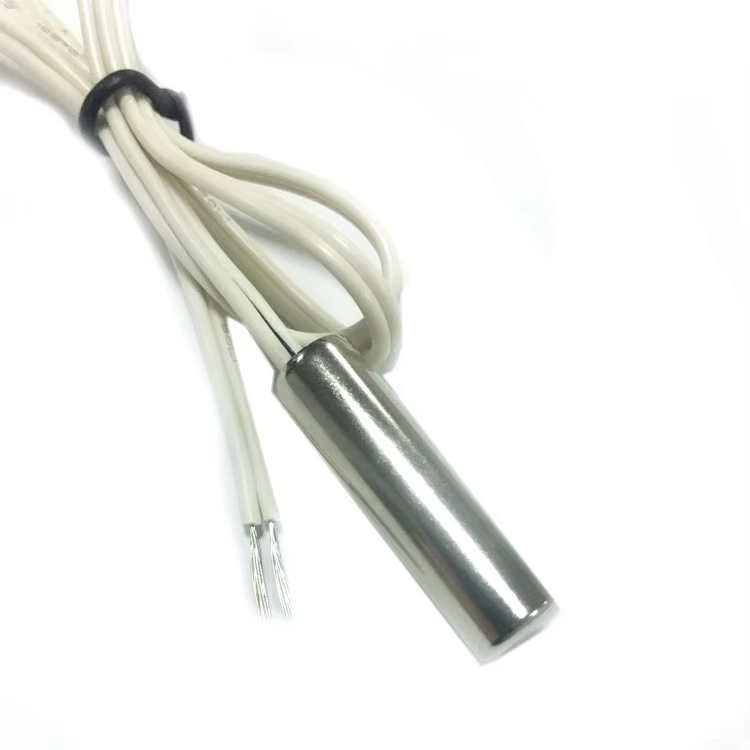
Why IP68 Alone Isn't Enough for High Temperature Sensor Applications
The Critical Gap: IP68 Only Certifies Protection From Ingress, Not Protection From Heat
IP68 ratings mean complete protection from dust and total submersion in water, but it says nothing about how things are when things are hot. Most sensors with IP68 ratings are great with dirt and moisture, until about 150 degrees Celsius, because different elements start breaking down. The plastics and seals get destroyed by high temperatures, and small voids and gaps are created that allow stuff to pass through them. The issue with this is that IP testing is done in lab settings, and the equipment is not hot. This is a problem when people see a sensor that was kept underwater for 30 min, and assume it will also work after extreme heats that are above 300 degrees. The people manufacturing the sensors need to do these tests, and most times they are done. The waterproof ability and the heat protection are two different, but equally important things.
Real-World Operating Temperatures: Why 200–350°C Demands Beyond Standard IP68 Sensors
IP68-rated sensors rapidly face thermal limits in everyday operations even in industrial facets such as metal processing (250°C+), chemical reactors (200-300°C), and energy generation (300-350°C), which are routinely over standard IP68 sensor ranges. Consider the following temperatures:
Failure Risk Consequence
Seal hardening and cracking Moisture ingress which leads to drift in measurements
Internal condensation Short circuits & electrical signals are lost.
Differential material expansion Structure is compromised and failing before the due time
Routine IP68 sensors lose structural and physical integrity below 150°C, while PTFE (Polytetrafluoroethylene, commonly known as Teflon) insulated sensors are expected to operate without failing to electrically short below 260°C. Applications where consistent sensor performance is expected or required beyond 200°C and where such temperature shifts are rapid become the domain of mineral insulated (MI) cables and the required use of un-evaporated or convented metal (ceramic) sealed (connection) systems and switched (connection) systems. without testing in these temperature extremes, the claims about IP68 ratings mean nothing where heat is routinely applied to equipment at the limits of its specifications.
Selecting High Temperature Sensor Technology for Your Thermal and Environmental Applications
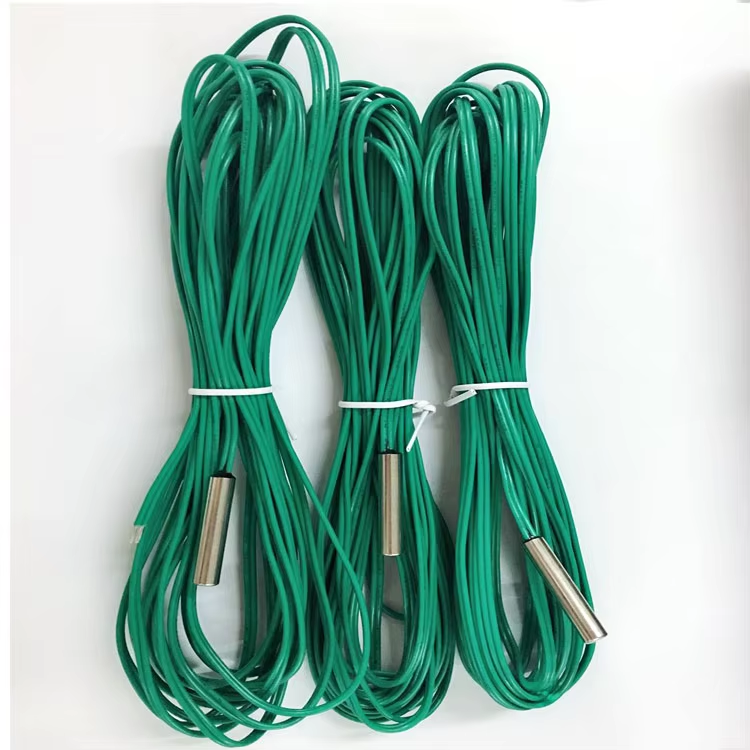
Choosing between a Thermocouple and an RTD
Selecting the appropriate sensor technology for your needs requires an understanding of multiple criteria and how they interact. These criteria include measuring range, accuracy, stability, and the ability to withstand environmental conditions. Thermocouples, for example, are ideal for measuring high temperatures because they can operate up to approximately 2300 degrees Celsius, are quick to respond to temperature changes, and are capable of measuring extremely high temperatures. However, at temperatures above 300°C, they typically lose about 1 to 2 degrees Celsius. In contrast, RTDs have much better long-term stability because they can remain within 0.5 degrees Celsius of the setpoint for long periods of time. However, RTDs typically have a maximum operating temperature of about 600 degrees Celsius, which is a significant limitation. Therefore, industries such as metal smelting still favour Thermocouples because they can withstand the harsh conditions of the smelting environment and are relatively inexpensive to operate. On the other hand, industries such as pharmaceutical manufacturing, where temperature control is critical, have begun to use custom-designed RTDs with a ceramic coating to improve their performance. These advanced RTD systems have been found to outperform regular Thermocouples by withstanding more repeated heating and cooling cycles. While standard Thermocouples can show signs of wear and tear after approximately 200 thermal cycles at 350 degrees Celsius, high-quality RTD systems can operate for more than 500 thermal cycles without any performance adjustment.
Key Materials and Construction Considerations: Ceramic Insulation, Mineral-Insulated (MI) Cables, and Hermetic Sealing
When it comes to maintaining reliability over a long period of time under extremely adverse conditions, three key material and construction strategies make a significant difference. Ceramic insulation made of alumina or zirconia, for example, provides electrical leak protection up to 500 degrees Celsius. Polymers, on the other hand, lose their structural integrity and crack around 200 degrees. Then we have the mineral insulated cables, which have a magnesium oxide core. These cables provide almost the same quality signal, regardless of the presence of vibrations or thermal stress. In real-life situations, they have been shown to reduce failures by almost 40% in monitoring systems for turbines compared to the old polymer jacketed cables. Another important consideration is the use of hermetic laser welding for sealing connection points. Standard moisture seals on IP68 (Ingress Protection) devices have proven to provide less protection than those seals because moisture penetrates sealing interfaces during rapid cool down. Sensors that use the combination of these three technologies have been shown to have less than 0.5% drift after 1,000 hours of cycling through steam at 450 degrees and spraying with a corrosive solution.
Verifying True IP68 + High Temperature Sensor Functionality in Harsh Environments
Testing Beyond Datasheets: Simultaneous Thermal Cycling and IP68 Immersion Testing
Testing at the limits of the standard and what the manufacturer claims is a field of failure waiting to happen. If you believe the IP68 and temperature cycling claims to be true and provide a ‘safe’ working environment to go from +200 °C to +350 °C and keep the equipment submerged, you could be setting yourself up for expensive surprises. Basic standard assessment procedures completely ignore, and seemingly, the assessors do not comprehend, what is happening to the device and its materials, including the expansion and contraction of materials because of temperature cycling, and how much stress is created in the seals, especially at the most critical failure points. The 2023 study on industrial sensor failures showed an untested sensor industrial sensor failure and the resulting downtime cost the enterprise approximately seven hundred forty thousand dollars. Left untested, the device will cost far more than any confidence measure. Trust must be accompanied by an independent testing report, otherwise, warranty claims and untested industrial sensors will be the result of confidence in manufacturer claims.
Operation for 50+ thermal shock cycles (e.g., 200°C – 350°C in <5 min)
Post-immersion insulation resistance >100 MΩ at 500VDC
After 168 hours underwater at 1m, zero signs of moisture ingress
Red flags related to thermal shock and immersion
The condensation is a sign of seal failure (e.g, condensation forming on the inside surface of the housing as silicone-based materials degenerate at > 230°C). Watch for these warning signs.
Seal failure: O-ring hardening and epoxy potting cracks after only 10 cycles
Measurement drift: Loss of >±1.5% accuracy after high-low immersion oven transition
Delayed corrosion shorts 72+ hours after immersion
Thermal shock, in particular, accelerates fatigue in MI cables without a hermetic termination. Ensure your design complies with IEC 60529 Clause 14.4 (thermal endurance) and IP68 to avoid premature replacements.
Frequently Asked Questions
What does IP68 mean?
It means it is submersible and is completely dust tight. Nonetheless, it does not guarantee performance at elevated temperatures.
How do IP68 sensors fail in high-temperature situations?
Standard IP68 sensors High temperature cause materials to breakdown, seals to fail, and extreme thermal cycling.
What to consider in high-temperature sensors?
Operating range, accuracy, long-term stability, and the use of ceramic insulation, and mineral insulated cables in harsh environments.
What methods can be used to validate high-temperature sensors?
For sensor performance validation, simultaneous testing of thermal cycling and IP68 immersion testing should be conducted to show how reliably sensors can thermally be immersed in real-world conditions.

