
 EN
EN



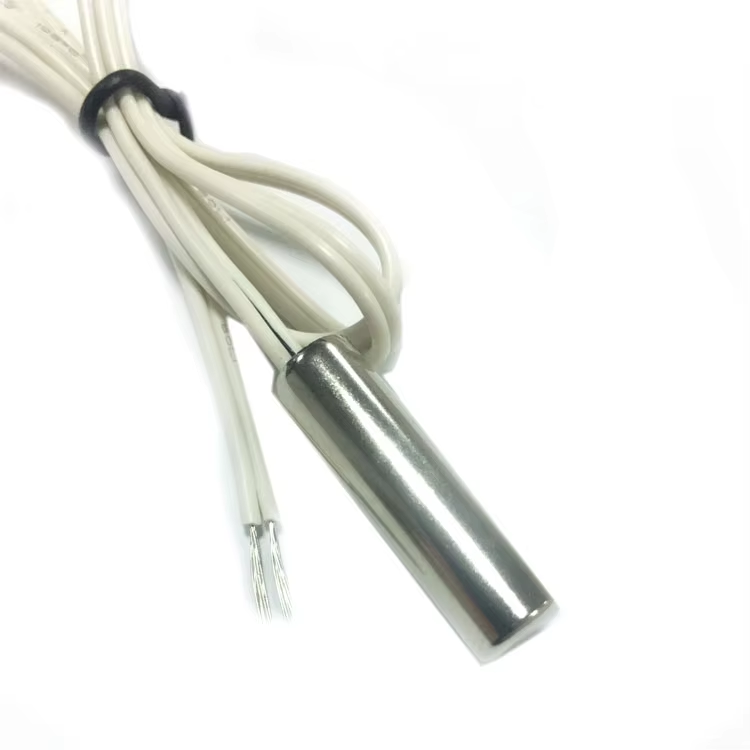
Materials That Withstand High Temps Used in Packaging and Substrates for Sensors
Silicon Carbide, Ceramics, and Other Wide-Bandgap Semiconductors
The materials used for high-temperature sensors that operate at 600°C and above are high-temperature stable ceramics. The substrates used are alumina, barium titanate strontium and silicon nitride which are stable thermally, and have high melting points (>1800 °C) and have low and stable coefficients of thermal expansion (< 4.5 ppm/K) to avoid thermal shock and cracking. Silicon Carbide (SiC) is a wide bandgap semiconductor that has a thermal conductivity of 4.9 W/cm·K and has high temperature (above 300 °C) electrical insulation and oxidation resistance. This allows for integration into systems controlled by combustion and turbine flames which have temperatures beyond SiC’s operational limits. Furthermore, due to their piezoresistive nature BTS ceramics are able to operate strain and pressure sensors in hot environments.
Thermomechanical Reliability of Encapsulation Under Cyclic 600°C Stress
There are repeated thermal shocks to encapsulation and maintenance of integrity is one of the greatest challenges this poses. Alumina or aluminum nitride provides the hermetic encapsulation with corrosion resistance. The encapsulation also must endure the constant bending of the thermal expansion coefficient (CTE) of the various encapsulation materials. Platinum-iridium alloys are the metal diffusion barriers that have been used and are able to withstand the most thermal cycles (over 10K thermal cycles) and still maintain ohmic contact. Eutectic gold-tin bonding is used in many cases now because they are able to withstand many more thermal cycles (up to 5 times) than standard solders because Finite Element Modeling has demonstrated that the brittle solder bonds are the most stressed areas. Many geothermal wells have been able to prove that ceramic sensors still maintain 0.02% calibration drift after 18 months at 600 °C. This is because the sensors have been designed with the proper thermal expansion rates to evenly distribute the stress. This is also a result of the new coatings that are able to lessen the delamination by 40% during the accelerated testing.
Temperature Sensors with Optimal Sensing Principles for High Stability
AlN Piezoelectric Sensing and Other Bandgap-Engineered Options
AlN can serve as a piezoelectric sensing base for high temperature applications, supporting stable signals with no power for >1150°C (studies published in the Journal of Materials Science (2024) report <1% drift over extended exposure). Bandgap engineering can further extend the window of operation. GaN and ScAlN can increase piezoelectric coefficients and maintain temperature resilience by 200% providing accurate pressure and acceleration sensing in jet engines and molten metal processing. Additional operating advantages include passive (zero power) operation, immunity to electromagnetic interference, and microsecond response times with thermal transients.
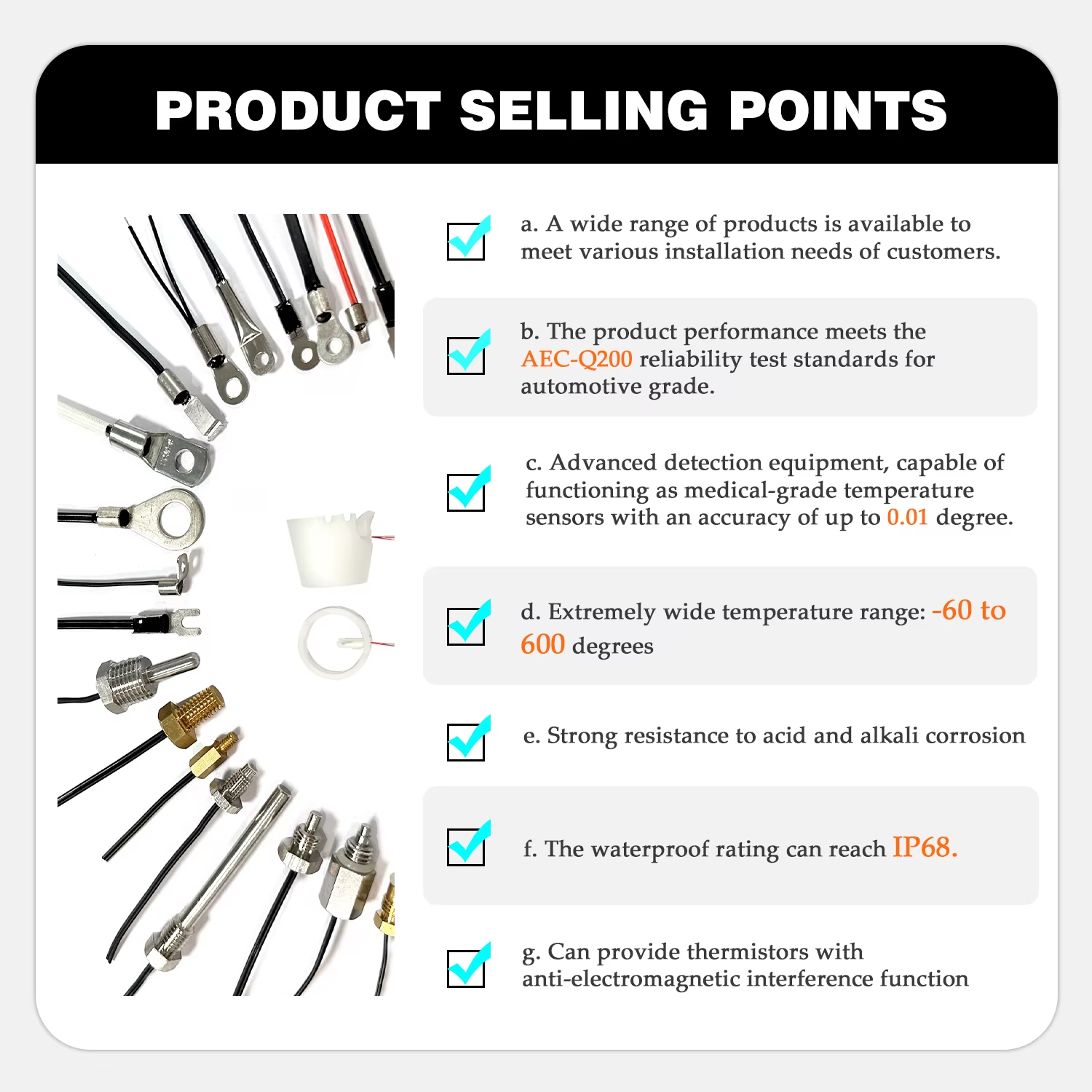
Optical High-Temperature Sensors: Regenerated and Femtosecond Written FBGs
Optical sensing with regenerated and femtosecond laser written Bragg gratings (FBGs) eliminates electronics from hot zone, addressing the primary failure modes of traditional sensors. Regenerated FBGs, thermally annealed to create refractory structures, achieve ±0.5 pm of wavelength stability under 600°C cyclic loading. Femtosecond laser inscription creates stable gratings in sapphire fibers for over 10,000 hours of continuous operation at 1000°C (Optics Express, 2023). These have been used in nuclear reactors and geothermal wells providing over 50m of strain mapping, radiation hardness, and corrosion monitoring with real-time hydrogen detection, making them critical for aerospace and energy infrastructure.
Silicon Carbide Electronics for 600°C Signal Conditioning and Integration
SiC JFET Amplifiers and Ohmic Contact Stability in High Temperature Sensor Systems
Silicon Carbide (SiC) provides the highest thermal conductivity (3.5X) and stability to above 600 °C and allows for the monolithic integration of high temp sensors and signal conditioning electronics. SiC based JFET Amplifiers provide steady gain and low noise whereas Si devices degrade and diminish signal drift at the system level. Ohmic contacts worsen because of interfacial reactions of the metallization and the SiC over 500 °C which leads to increased contact resistance and loss of calibration. The nickel/tantalum barrier layers suppress electromigration and interdiffusion which allows for contact integrity over 1000+ thermal cycles. Fully integrated SiC amplifier-sensor packages can sustain ±1 % measurement accuracy under continuous 600 °C operation.
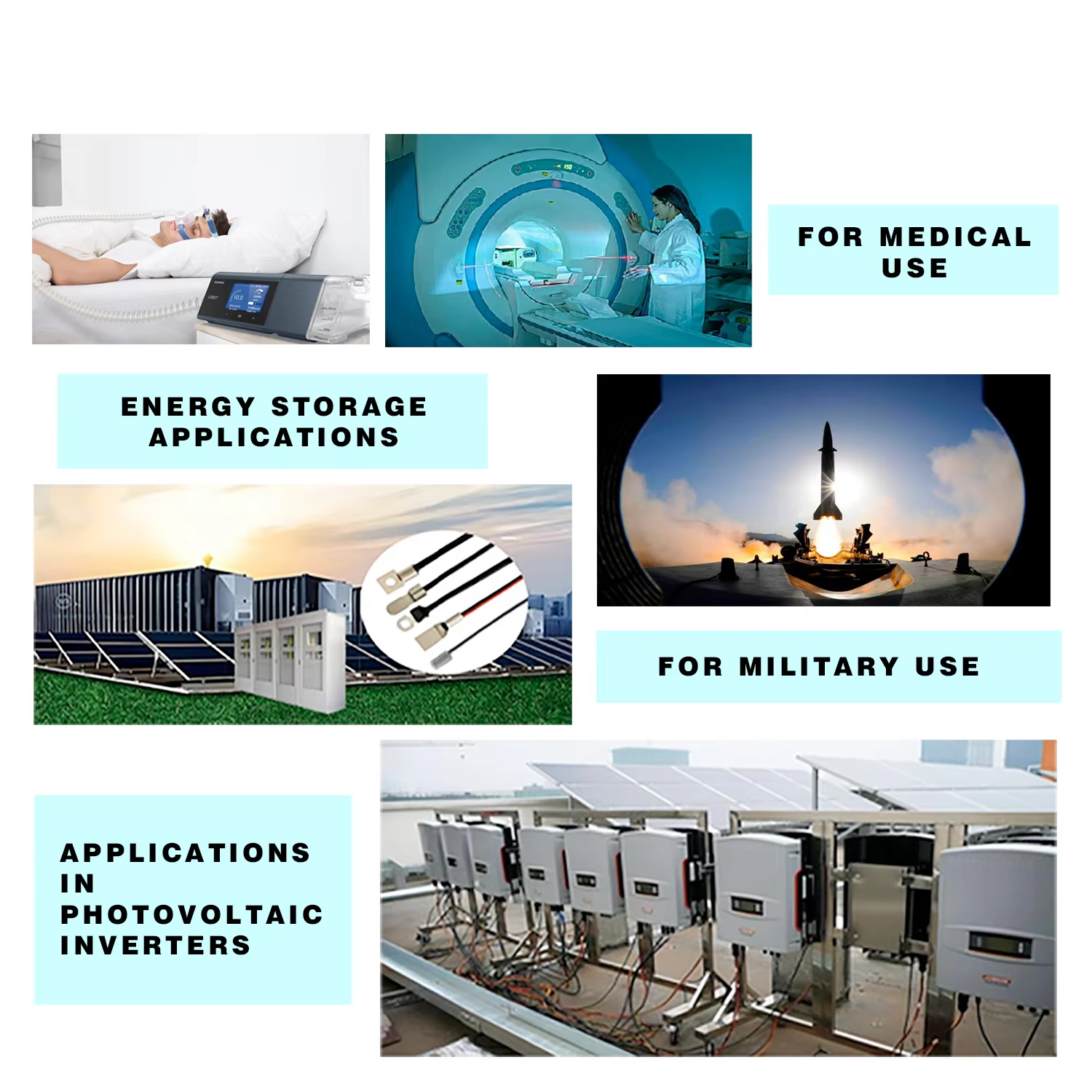
Real-World Deployment of High Temperature Sensors: From Validation to Industrial Use
Field-Rated FBG Arrays and HOTS Program Insights in Nuclear and Geothermal Environments
Field-rated FBG arrays have demonstrated robust performance in mission-critical applications where conventional sensors fail—in nuclear reactor cores and deep geothermal wells. The High Temperature Sensors (HOTS) program validated optical systems through 1,000+ hours of continuous operation at 600°C in the simulated reactor environment, recording <0.1% wavelength drift—critical to structural health monitoring. In geothermal environments, metal-coated sapphire FBGs survive the corrosive brine, pressure cycling up to 25 MPa, and thermal shock, enabling the real-time monitoring of borehole integrity. Their immunity to electromagnetic interference facilitates the measurement of neutron flux in nuclear facilities, and reduces cable penetrations by 40% compared to thermocouple arrays. Notably, femtosecond-laser-inscribed gratings survived 500 thermal shock cycles (600°C ↔ 25°C) without fracturing—overcoming a significant limitation of silica alternatives. These field-proven capabilities now enable predictive maintenance in previously unmonitored areas, which reduces turbine downtime by 30% in supercritical geothermal plants.
FAQ
What materials are commonly used for high-temperature sensor substrates?
Commonly used high-temperature sensor substrates include a range of ceramic materials, alumina (Al₂O₃), silicon nitride (Si₃N₄), barium titanate strontium (BTS) ceramics, and wide-bandgap semiconductors like silicon carbide (SiC). These materials provide thermal stability and good resistance to thermal cycling.
What are the reliability of sensors at high temperatures with encapsulation techniques?
The thermal stress management and the calibration drift mitigation mechanisms that these methods employ allow prolonged high–temperature operation
What are the benefits of using silicon carbide in high-temperature environments for signal conditioning?
It is also difficult to drift signals due to thermal stress. With the integration of SiC electronics, signal processing becomes achievable in the high-temperature operational zones.
What are the advantages of optical sensing technologies in extreme environments?
The absence of electronic components in the high-temperature zone with optical sensing technologies like fiber Bragg gratings (FBGs) improves reliability of the system. These technologies are not only designed to survive extreme conditions, but they also offer radiation-hardened performance, and provide real-time data for monitoring structures and the environment.

