
 EN
EN



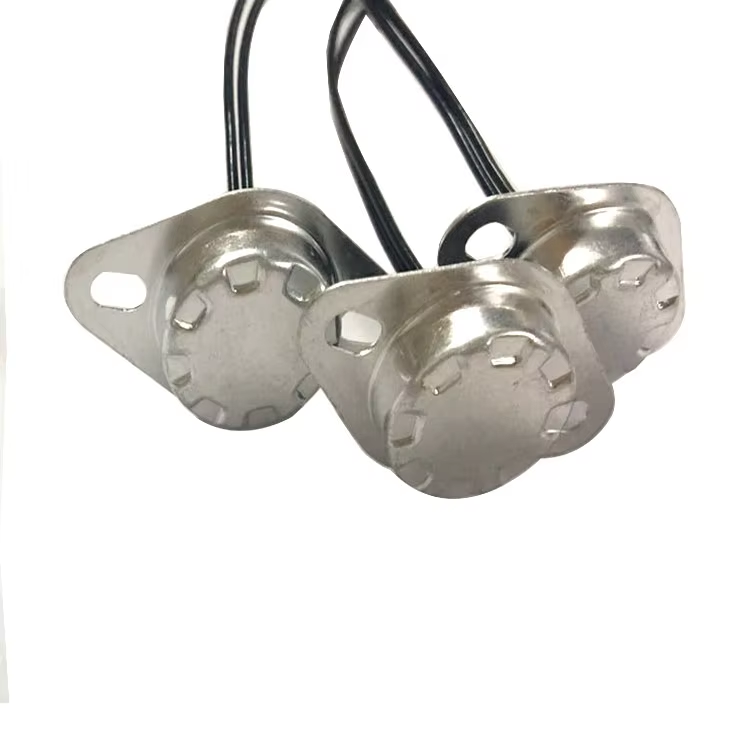
Based on a fundamental concept of semiconductor physics, NTC thermistors, otherwise known as Negative Temperature Coefficient thermistors, have an electrical resistance that diminishes as temperature increases. This phenomenon is quite basic. Upon the application of heat to devices that are constructed primarily of metal oxides, such as compounds of manganese, nickel, or cobalt, more electrons, and holes are activated in the substance. This significantly increases the material’s conductivity as temperature increases. An example of an NTC sensor would show about 10 kilohms of resistance when the temperature is around 25 degrees Celsius. However, when that temperature is increased to 85 degrees Celsius, the resistance drops to approximately 1 kilohm. This sort of temperature differential (roughly a 3-5% change per degree Celsius) explains how NTC sensors are able to achieve such high levels of precision in temperature measurements in temperature-controlled devices, such as home refrigearators and ovens.
Benefits of Using NTC Temperature Sensors for NTC Temperature Sensors for Home Appliances
Increased Precision and Reliability for More Home Appliances Temperature Detection (−20°C to 125°C)
NTC sensors have operational precision of about +/- 0.5 degrees Celsius in ranges of most home appliances of -20 to 125 degrees Celsius. Their sensors are made of ceramic metal oxide which impervious to changes in resistance due to temperature cycling, even after 10 thousand plus thermal cycles. This makes them highly reliable when used in fridge temperature controls to eliminate freezer burn, and in oven controls to ensure baked goods are evenly done. In comparison to simple thermometers and old-fashioned bimetal thermostats, NTC sensors are better still at coping with moisture and humidity changes. Field tests have reported the need for readjustments 40 percent less often than anticipated. In their designated tricky applications, including those in proximity to evaporator coils or heating elements, NTC sensors outdo the other temperature range maintainers by three times in terms of reliable temperature control.
Exemplary Thermal Response Time Even with Space-Restrained Designs
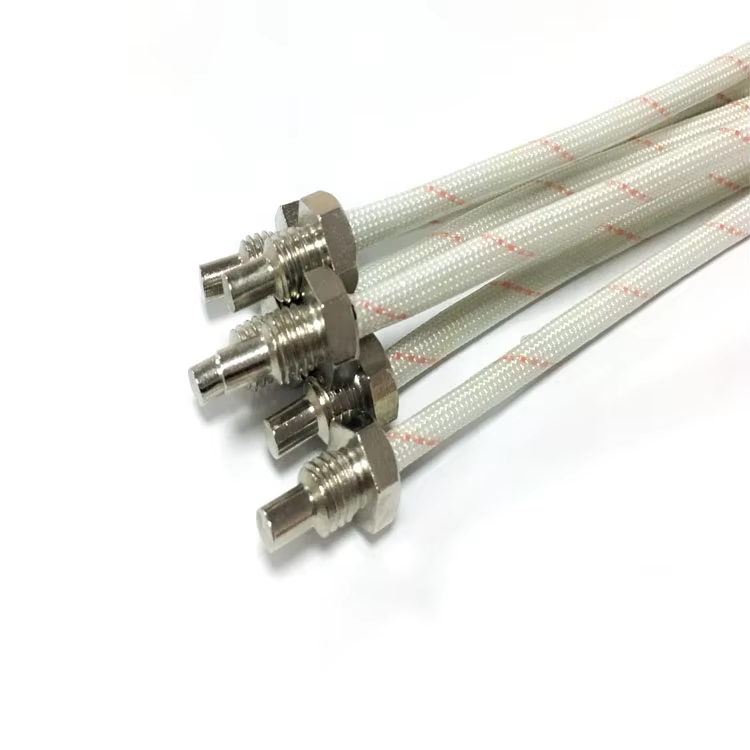
Thanks to their specially engineered packaging and minimally thermal mass, mini NTC sensors achieve approximately 90% thermal equilibrium within five seconds. Some of the mini NTC sensors are so small (sometimes thinner than 1mm!) that they can be surface mounted directly onto circuit boards and positioned right next to the heating elements of small appliances like dishwashers, coffee machines, and mini HVACs. Without the bulk of the protective housing, they eliminate thermal lag to start reporting temperature. For that reason, refrigerator manufacturers appreciate sensors so that compressors do not cycle too frequently. In clothes dryers, sensors save approximately 18% energy consumption. This is possible because their rugged design (bead or chip type) allows them to withstand appliance vibrations and still provide precise readings. In the modern appliances with many components and in which slow response times can create hazardous situations and in which unnecessary electricity is wasted, they are very important.
NTC Temperature Sensors Used in Household Appliances in Real Life
Ovens Ajusting Temperature with NTC Temperature Sensors
NTC temperature sensors located on the device’s control board near the heating elements. This design helps the sensor measure temperatures across the control board. Moreover, it allows better measurment of the control board’s temperature in increments of 1°C, in intervals of less than five seconds. This means that the sensor can control the microcontroller’s heating intervals which in addition to preventing burning, improves the quality of the heating profile. Studies on the design show the ability to consume less energy than the older designs (timed heating intervals) by 12-15%.
Fridges’ Evaporator Control and Intelligent Compressor Control
NTC temperature sensors manage the different zones of the intelligent fridges by means of Temperature difference measurement:
Evaporator Control: NTC temperature sensors located on the evaporator coils measure the sub-zerofrost layer. This improves the defrost cycles and reduces heater control activations.
Compressor Modulation: While the cabinet and compartment-mounted NTCs detect and feed real-time temperature data to the control system, the variable-speed compressor modulates cooling output based on load and environmental conditions.
These functionalities combine to achieve a 20–30% reduction in compressor run-time, an improved control of interior humidity, and a reduction in annual energy consumption—all while maintaining reliable sensor operation in ambient temperatures from −40 °C to 85 °C.
Why NTC Temperature Sensors Are So Effective for Mass-Market Production
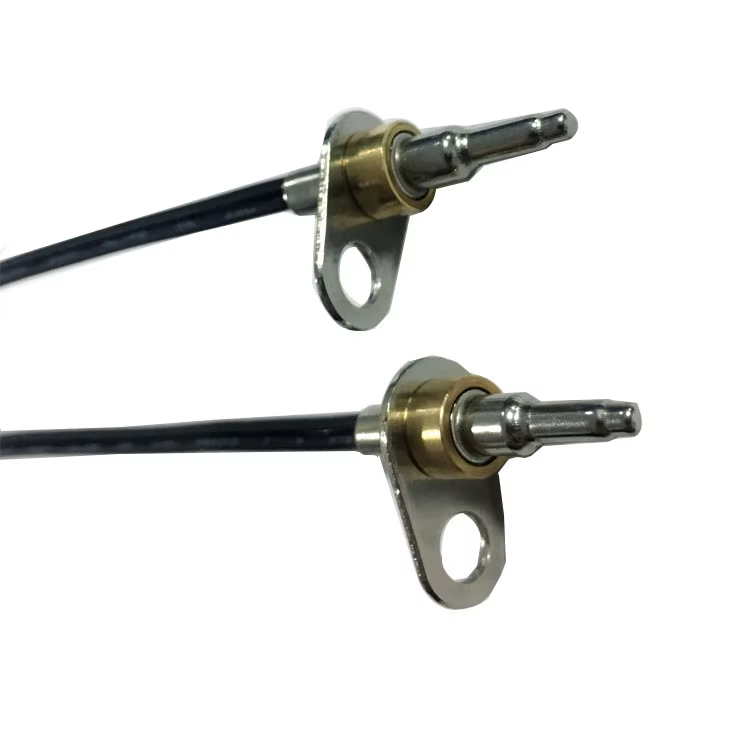
NTC sensors make it easy to create mass-market appliances with a good mix of performance, longevity, and simplicity of manufacture. With their easy, ceramic-based construction and a process like a semiconductor, uniformity is guaranteed. The sensors can be tested commercially in a fully automated system with and within ± 0.5 °C. NTC sensors simplify PCBs by reducing the number of components needed in comparison to thermocouples that require cold-junction compensation and RTDs that require a specific current. The epoxy-coated, surface mount form is moisture resistant, improving manufacturing efficiency and reducing costs. NTC sensors will detect a temperature change in under 3 seconds, and as such, will negate the need for complex time settings or additional heat sinks. With such great thermal response, appliance manufacturers can be confident that their product will remain competitively priced with microwave and expensive smart fridge NTC sensors.
Common Questions
What are the initials NTC short for?
NTC refers to Negative Temperature Coefficient – describes how the sensor works (resistance drops with increased temperature.
What are NTC sensors made out of?
NTC sensors are made out of metal oxides e.g. compounds of manganese, nickel, or cobalt.
Why are NTC sensors ideal for use in household appliances?
NTC sensors are ideal for household appliances such as ovens and fridges because they are extremely accurate, stable, and responsive and because they are able to endure environmental changes.

