
 EN
EN



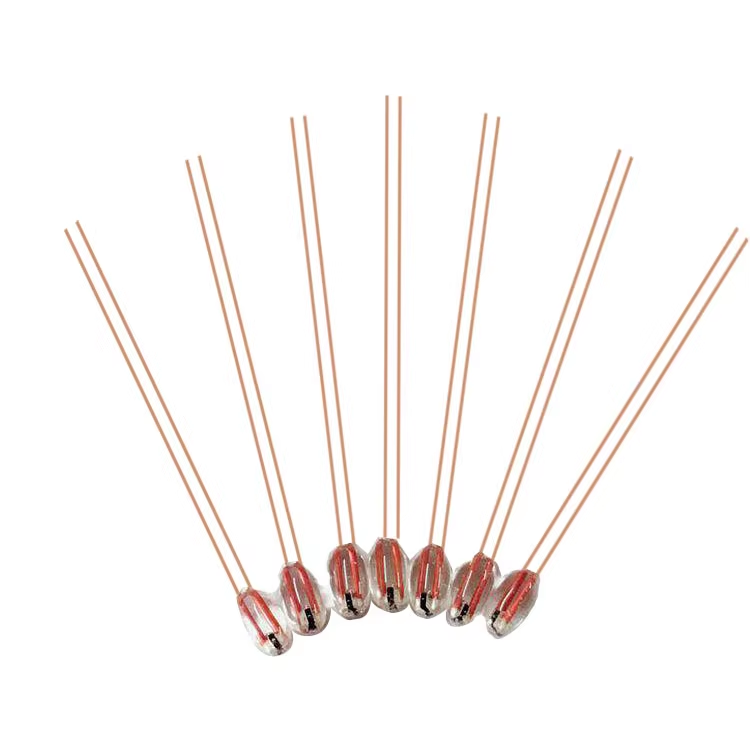
How Thermistors Work in Environments Below Zero Degrees Thermistors
Thermal Response Mechanisms Under 0°C
The design of devices built for low temperatures is based on the so-called behavior of NTC semiconductors. Below 0°C, these devices begin to show higher electrical resistance because the movement of charge carriers is inhibited. By how much is a direct function of the decrease in temperature. One great example of the usefulness of NTC thermistors is the ability to detect temperature changes of 0.01°C. After NTC thermistors are cooled down, NTC thermistors are much more expansive than bristles that we call RTDs. In fact, NTC thermistors of small physical dimensions, are able to respond to changes in temperature in less than 1 second! The great usefulness of NTC thermistors is that they can help engineers design measuring instruments that can be used in almost any situation in real time. NTC thermistors are useful because they can measure temperatures from -40°C to -100°C without the need to use a special measuring device.NTC Ceramic Materials Designed for Cryogenic Stability
Some ceramic oxides, such as doped nickel, manganite, and cobalt oxide, have been developed for shape retention and consistent resistance as temperature falls. The special quality of these materials is high resistance to cracking and low resistance to functional change over a temperature range of -50 degrees Celsius to above freezing. Most materials, when calibrated, drift below 0.5% annual. Aerospace applications are a good example of these materials in use. In the Journal of Cryogenic Engineering, a high quality version of the NTC material even maintained 0.1% drift after 5,000 freeze-thaw cycles between -80 degrees Celsius and above. Hydrophobic coatings also perform well with frost and moisture because moisture causes all sorts of issues with frost.
WHAT FROST AND ICE DO TO LOW TEMPERATURE THERMISTORS
Frost affects the operation of THERMISTOR sensors due to a phenomenon called thermal bridging. This is where ice creates cold pathways between the sensor and the surrounding environment, causing the sensor to skip measuring the temperature of the environment to which it is exposed. Therefore, the sensor will read a frost protected temperature that will be lower than the actual temperature of the environment, and thermal frost will exist between the sensor and the environment. The ice block acts as an insulator to preventing the actual temperature from being measured, while the surface ice conducts the cold temperature unevenly. The combination of these effects leads to the sensor being incorrectly frozen until all the frost is removed.
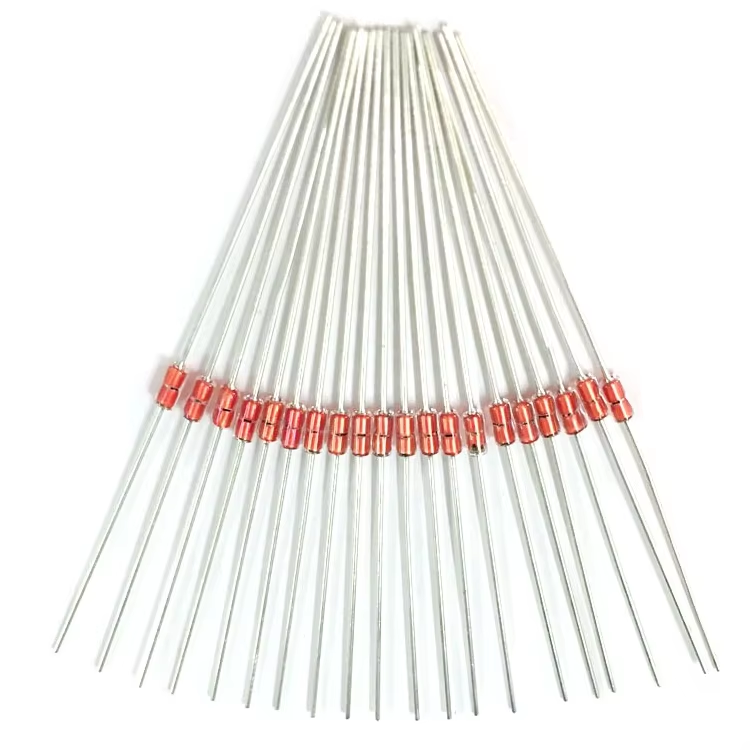
The freezing of components creates a serious problem for electronics due to the formation of ice bridging unwanted conductive paths between electrodes. Also, the freeze-thaw cycles create temporary mechanical stress on the components, thereby altering their electrical and thermal conductive properties. The situation worsens in storage environments at a temperature of about -40 degrees Celsius. The ice on the sensors creates a drift of about -3.5 to +3.5 degrees Celsius, which is way outside the tolerance of 0.5 degrees Celsius that is necessary for the storage of pharmaceuticals. Additionally, there is thermal lag due to the presence of frozen materials which makes the system sluggish. Measurement errors caused by thermal lag conceal the true state of the system. In an attempt to address these challenges, manufacturers have increased their reliance on more effective sealing strategies and surfaces that repel water at the molecular level.
Frost-Resistant Features of Contemporary Low-Temperature Thermistors
Contemporary low-temperature thermistors have incorporated specific design principles to reduce ice formation and maintain the integrity of measurements within sub-zero, high-humidity environments.
Hermetic Sealing and Hydrophobic Surface Treatments
The hermetic sealing of the sensor keeps it completely dry on the inside which prevents it from holding moisture to freeze on the components. Moreover, the design incorporates special nanoparticle coatings on the outer surfaces that cause water to bead rather than spread. These surfaces alter the interaction of water with the material, effectively elevating the temperature of the material at which freezing occurs. The combination of these two methods reduces frost adhesion to the sensors by as much as 60 to 70% compared to conventional sensors that do not incorporate these protection methods. This provides a substantial benefit to the sensors under real-world conditions where temperatures fluctuate throughout the day.
Optimized Geometry to Inhibit Ice Nucleation
The unique design of the sensors created specific geometrical features to target and minimize the localization of initial ice formation and its growth. Features like curves and recesses, combined with a generally streamlined shape, direct water away from locations that might trap water, ice, and snow. Instead of sharp edges and corners that ice and snow would grab and bind to, the sensors have smooth surfaces that help to shed small ice and snow accumulations due to vibration, temperature changes, and other dynamic processes. In contrast to other surfaces, a small sensor head creates less ice adhesion due to its smaller surface area. This contributes to the maintenance of accurate sensor readings even after extended (months) exposure to the cold and humid conditions common in industrial applications.
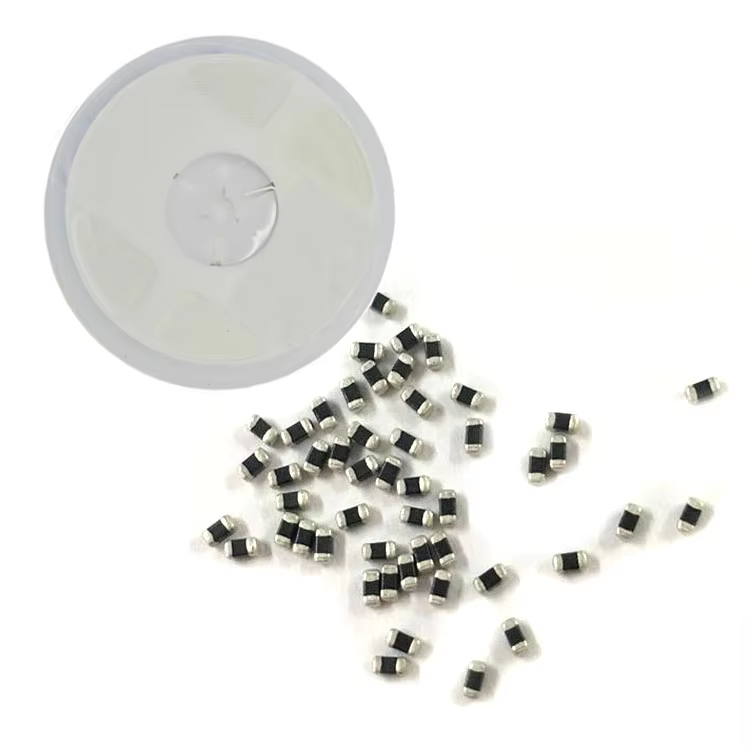
Field-Proven Reliability: Cryogenic and Cold-Chain Performance Data
Pharmaceutical Freezer Monitoring at -40°C: Drifting <0.5% Over 18 Months
While thermistors are generally suitable for cold temperature monitoring, their cold chain thermistors are ideal for use in regions where the temperature remains at the -40 °C range. Testing of the sensors in the field showed a drift of <0.5% despite continuous use over an 18 month period. This is attributed to the sensor’s construction, which is designed for use in extremely cold environments. Each of the sensors is housed in a hermetically sealed casing, which prevents the ingress of moisture. The casings are coated to minimize frost adherence, and due to the small thermal mass, the sensors are highly responsive to temperature changes. This is especially important in storage and transport situations where quick and unpredictable changes of the air are present.
Our technology regularly permits the recognition of changes as small as 0.1 degrees Celsius which can be crucial in the protection of valuable products. When analyzing the actual figures from vaccine storage systems globally, it becomes clear that 99.8% of the data remains accurately recorded even after going through multiple freeze-thaw cycles. It’s no wonder the FDA and EMA regulations are being easily met by these systems. Also, these specific sensors are designed to be used for a long time without having to be re-calibrated, as testing has shown no drop in quality after 5000hours. This situation decreases maintenance costs as newer sensors in cold chain management have shown a 34% decrease in costs as compared to older systems.
FAQ Section
What is NTC semiconductor behavior in thermistors?
Within thermistors, the behavior of NTC semiconductors refers to their resistance as temperature increases.
How do low temperature thermistors remain stable in cryogenic conditions?
The remain stable and accurate through the use of specially designed ceramic oxides in conjunction with hydrophobic coatings which ensure that resistance remains unchanged to a high degree even in extremely low temperatures.
What problems do frost and ice present with thermistors?
Frost and ice create thermal bridging and electrical cross interference which can give false readings or cause signals to drift.
What frost resistant features can today’s thermistors incorporate?
Today’s thermistors utilize hermetic sealing, hydrophobic surface treatments, and geometry which helps to prevent ice from forming and maintains accuracy.

