
 EN
EN



Videnskaben bag materialerne i højtemperatur-thermistorer
Termisk stabilitet af keramiske oxider, glasgehuse og metalindkapslinger
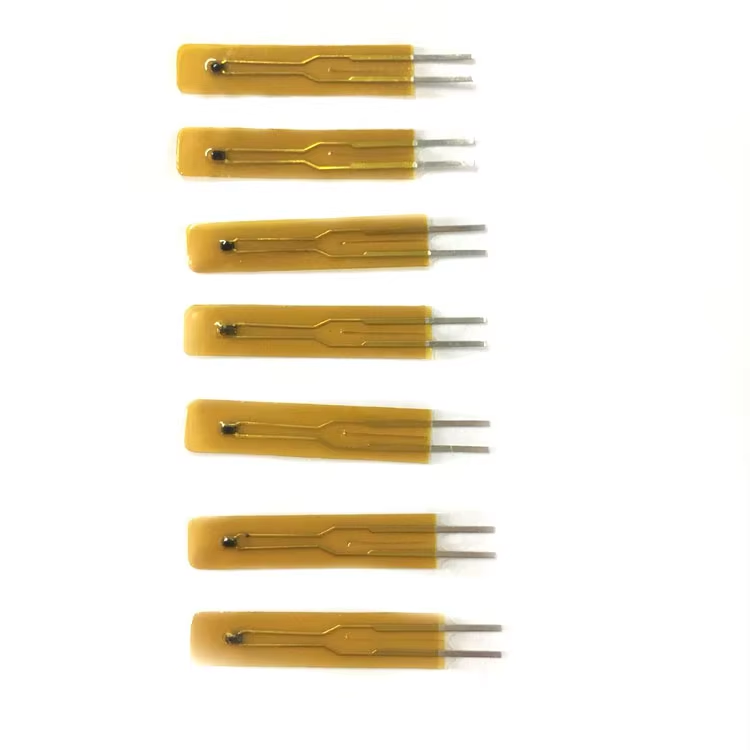
Hedebestandige termistorer anvender specifikke oxider af keramiske materialer. Typisk anvender termistorer med positiv temperaturkoefficient (PTC) bariumtitanat, mens termistorer med negativ temperaturkoefficient (NTC) anvender kubisk mangan-nikkel-kobalt-spinel. Hvilken egenskab besidder disse materialer, der gør dem så nyttige? Materialerne muliggør en stabil og gentagelig ændring i modstanden ved temperaturændringer som følge af, at elektroner bevæger sig mellem energitilstande og interagerer med vibrationer i gitterstrukturen. Når det gælder termisk stabilitet, er den anvendte forseglingsteknik meget vigtig. Glasforseglinger forhindrer termisk ødelæggelse af komponenter ved temperaturer omkring 200 grader Celsius og forhindrer samtidig indtrængen af ilt og vand. Ved temperaturer over 300 grader er der imidlertid behov for omslutning i metal (i dette tilfælde rustfrit stål eller Inconel). Disse metaller er strukturelt stabile over for hurtige termiske cyklusser, mekanisk påvirkning og aggressiv korrosion. Selvom disse metalomkapslinger er termisk ledende, tillader de alligevel, at den indkapslede sensor reagerer på omgivende temperatur, hvilket muliggør sensorens termiske respons.
Når man designer et system, er en af de vigtigste aspekter optimering af udvidelseskoefficienterne for indkapslingsmaterialet og keramikkomponenterne, så der ikke opstår revner ved grænsefladen. Desuden er det afgørende for systemet at have passende iltspærrelag og en bestemt porøsitetsskala under sinteringen for at kunne modstå termiske spændinger. Disse designs foretrækkes, hvis muligt, i kombination med passiverede platineelektroder, da kontaktstabiliteten og oxidationsskyttet forbedrer systemets termiske ydeevne. Under felttests er disse designs vist at opretholde stabilitet med en drift på mindre end 0,5 % over en uafbrudt drift i 1000 timer ved 300 °C, og respons tid er i de fleste tilfælde været under 2 sekunder. Pålideligheden af de integrerede materialer i disse systemer gør det muligt at anvende dem i krævende miljøer, hvor konventionelle siliciumsensorer ikke kan bruges, f.eks. inden i jetmotorer eller i smeltet aluminium, hvor traditionelle sensorer fejler.
Maksimal temperaturbestandighed: NTC versus PTC højtemperatur-thermistorgrænser
NTC-thermistorer: Praktiske øvre grænser (op til +300 °C) og nedjusteringsvejledninger
NTC-thermistorer til specialanvendelser bør kunne nå op til ca. 300 °C, før problemer begynder at opstå. Problemerne omfatter f.eks. uigenrevlig oxidation af metaloxider og udsvindning af korngrænser som følge af øget fordampningshastighed. Over ca. 150 °C stiger risikoen for termisk løbskab betydeligt, og den samlede effekt skal derfor reduceres. Ved 250 °C skal effektafgivningen reduceres med 40–60 % i forhold til stuetemperatur for at begrænse fejl forårsaget af selvvarming samt ændringer som følge af modstandsændringer. Komponenter, der har en høj modstand på mindst 100 kΩ ved 25 °C, yder generelt bedre ved forhøjede temperaturer. Denne adfærd skaber en udfordring for ingeniører, da de typisk er nødt til at udvikle specialiserede ikke-lineære reguleringsmetoder for at regulere systemer præcist inden for mindre end én grad Celsius, f.eks. motorstyring eller tilbagemeldingssystemer til industriovne. Sådanne metoder inkluderer f.eks. tredjeordens korrekturer til Steinhart-Hart-ligningen.
Standard bariumtitanat-PTC-thermistorer viser en skarp stigning i modstand ved deres Curie-temperatur, som ligger mellem 60 og 120 °C. På grund af denne pludselige ændring i modstand kan disse modeller ikke anvendes i lineære måleanvendelser over dette temperaturområde. For luftfarts- og industrielle anvendelser udvikler producenter dog specielle versioner af disse thermistorer, hvor der indgår bestemte tilsætningsstoffer såsom bly, strontium eller forskellige jordartsoxider i de polykrystallinske keramiske strukturer. Disse modifikationer kan forhøje Curie-punktet samt forbedre pålideligheden og konsekvensen af disse komponenter, så de kan anvendes ved temperaturområder over 200 °C. Ved 205 °C har sådanne thermistorer vist sig at ændre deres modstand fra ca. 1 kΩ til mere end 500 kΩ på under 3 sekunder, hvilket er stadig mere fordelagtigt for hurtigreakterende anvendelser såsom sikkerhedsafbrydere i batteripakker og strømforsyningssystemer inden for luftfartsindustrien. Disse materialer bevarer også hystereseeffekten, og tests har vist, at de kan gennemgå tusindvis af cyklusser gentagne gange uden fejl i overensstemmelse med IEC 60738-1 og MIL-STD-202G.
Problemer relateret til præcision og pålidelighed ved højere temperaturer
Problemer inklusive beta-drift, kalibreringsdrift og ikke-linearitet under brug af højtemperatur-thermistorer
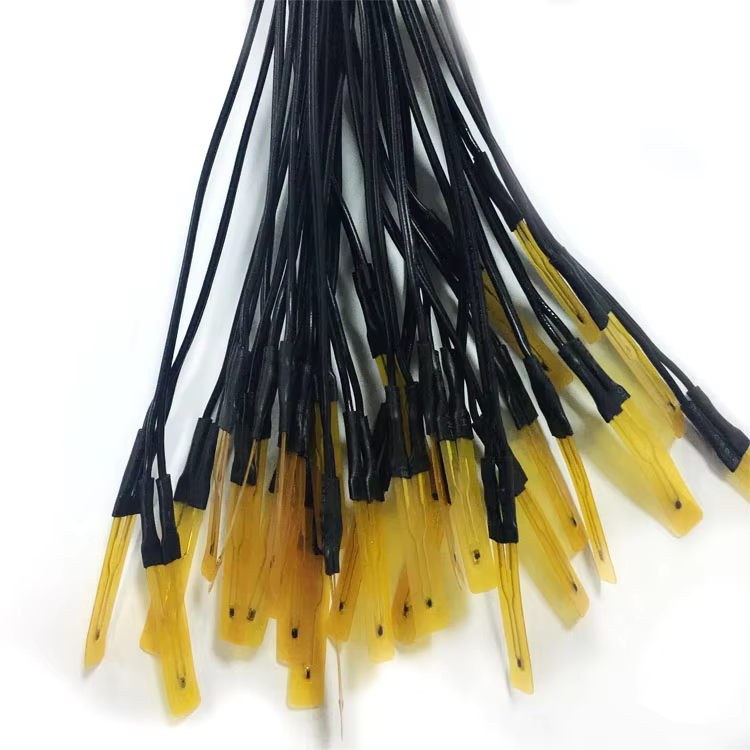
Høje temperaturer, typisk over to hundrede grader Celsius, skaber en række problemer i forbindelse med præcis måling af data. Tre af disse problemer omfatter beta-drift, kalibreringsdrift og stigende ikke-linearitet. Et bestemt problem vedrørende beta-drift involverer ændringer i et materials indre struktur. Fra ca. to hundrede til tre hundrede grader Celsius bliver et materials indre struktur stabiliseret, og hvis ændringer i den indre struktur afslappes, kan modstanden variere med ca. fem procent om året. Derfor bliver en kalibrering af en enhed, der er foretaget i en fabrik, forældet på grund af ændringer i modstanden som følge af beta-drift. Problemer med kalibreringsdrift forværres yderligere af industrielle opvarmnings- og afkølingscyklusser. Det er ikke usædvanligt, at en fabrik skal kalibrere sin udstyr én gang hvert halve år for at kunne fortsætte produktionsprocessen. Desuden bliver en enheds respons ekstremt uforudsigelig ved temperaturer over tre hundrede grader Celsius, hvilket fører til stadig større afvigelser mellem de faktiske forhold og enhedens aflæsning. Situationer, hvor der er behov for at justere og udjævne en kurve, bliver yderst sjældne i højtemperaturmiljøer. For eksempel viste flere ukorrekt justerede termistorer i halvlederproduktionsovne i Sensors and Actuators A fra 2021 samlede fejl på mellem 2 og 8 procent. Dette er endda større end den strengt håndhævede tolerance på ±1 grad for varmestyring.
En rigtig hardware- og softwarebaseret dobbeltteknik er nødvendig for afhjælpning. Keramiske materialer bestående af stabiliseret Mn-Ni-Co og nedsat iltoptagelse blev anvendt i hardwaren. Softwaren etablerer et realtidskontrolsystem, der bruger indlejrede adaptive algoritmer trænet på accelererede ældningsmønstre. Som resultat viser enheden krumnings- og offsetændringer, som dynamisk korrigeres og endeligt resulterer i en måleusikkerhed, der opfylder
målet på <% 0,3 °C ved 300 °C.
Sådan vælger du den bedste højtemperaturtermistor til dine behov
For at vælge den bedste højtemperaturtermistor til din applikation skal du overveje fem indbyrdes forbundne kriterier samt dit systems fysiske og driftsmæssige begrænsninger:
Driftstemperaturområde: Sørg for, at den angivne maksimale temperatur overstiger den maksimale processtemperatur med mindst 25–50 °C. For eksempel ville en enhed med en rating på +300 °C være velegnet til applikationer ved +250 °C på grund af selvvarampe og transiente spidser.
Modstandsstabilitet: For bedste resultater vælg komponenter, der angiver en langtidsdrift ved måltemperatur med en drift på ≤ 1 % (i henhold til IEC 60738-1, bilag D). Undgå udtalelser om "høj temperatur", der ikke er specifikke.
Miljøbestandighed: Sørg for, at det indkapslingsmateriale, du vælger til din termistor, passer til det miljø, du forventer. Vælg f.eks. glasindkapsling til tørre og oxiderende miljøer og metalindkapsling (f.eks. Inconel 600 eller SS316) til fugtige, sulfiderende eller smeltede saltmiljøer over 300 °C.
Responsdynamik: Vælg termiske tidskonstanter på under 30 sekunder til ovnzoneinddeling og under 3 sekunder til forbrændingsovervågning samt under 3 sekunder til termiske tidskonstanter, der er lig med eller mindre end din styringsløkkehastighed.
Fysiske begrænsninger: Sørg for, at dimensionerne passer, og at monteringsstilen er kompatibel (f.eks. gevindet, flangemontage, overflademontage), og at ledningens isoleringsklasse (f.eks. fyldt med MgO, belagt med Teflon®) opfylder dine montage tolerancer og elektromagnetiske forstyrrelser (EMI) i forhold til ledningens isoleringsklasse (f.eks. fyldt med MgO, belagt med Teflon®), som skal opfylde montage tolerancer og elektromagnetiske forstyrrelser (EMI) i forhold til ledningens isoleringsklasse (f.eks. fyldt med MgO, belagt med Teflon®), som skal opfylde montage tolerancer og elektromagnetiske forstyrrelser (EMI) i forhold til ledningen.
Det er vigtigt at verificere afstanden fra producentens datablade til rapporter om uafhængig test, der ikke vedrører ratinger for testens ydeevne ved omgivende temperatur. Dette er især vigtigt for ydeevne relateret til termisk cykling, vibration og kemiske påvirkninger i henhold til MIL-STD-810H. Den rigtige valgmulighed skal integrere systemets ydeevne samt de simple fysiske principper og pålidelighed.
Ofte stillede spørgsmål
Hvad bruges højtemperatur-thermistorer til?
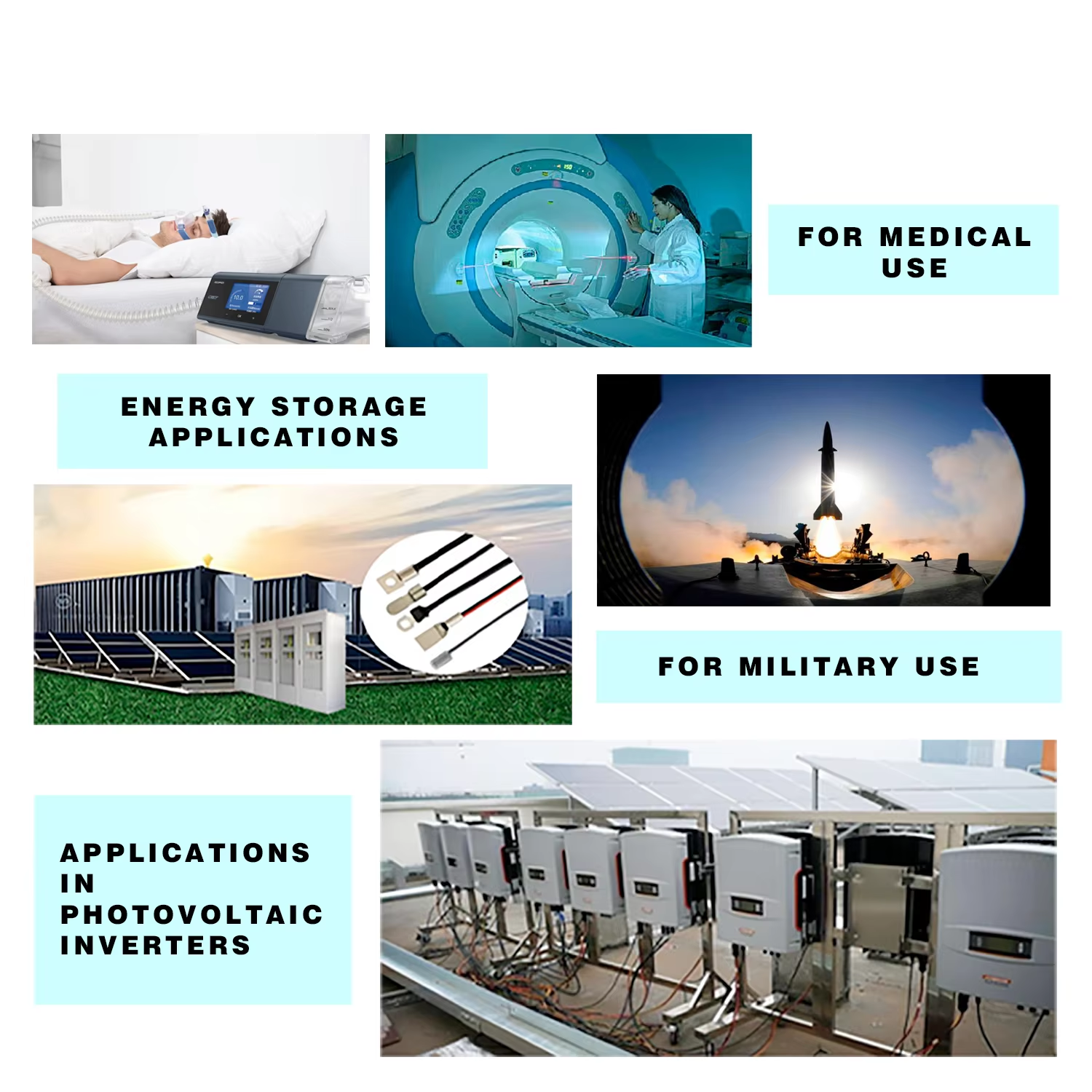
Højtemperatur-thermistorer bruges primært til overvågning og regulering af temperatur i miljøer med særligt høje krav. De findes i jetmotor-turbiner og smeltet aluminiumbad. Højtemperatur-thermistorer anvendes også ved fremstilling af halvledere, hvor traditionelle følere ikke ville være anvendelige.
Hvad er forskellene på anvendelsen af NTC- og PTC-thermistorer?
I de fleste tilfælde foretrækkes NTC-thermistorer til brug i områder, hvor temperaturerne kan nå op til 300 grader Celsius, på grund af deres termisk stabile egenskaber. PTC-thermistorer anvendes derimod i områder, hvor der ved høje temperaturer sker betydelige og hurtige stigninger i modstanden, som f.eks. i sikkerhedsafbrydningsmekanismerne i elbilers batterisystem.
Hvad er de primære udfordringer ved anvendelsen af højtemperatur-thermistorer?
Temperaturfølere med ret høj temperatur har en række meget alvorlige udfordringer, herunder kalibreringsproblemer, heterodyningsproblemer ved respons tid og tab af linearitet i responsen. Med tiden bliver målingerne ikke længere præcise.
Hvad er metoderne til at forbedre præcisionen af temperaturfølere til høje temperaturer?
For at forbedre præcisionen af temperaturfølere til høje temperaturer anvendes design med dumme kredsløb, realtidsstyring med adaptive algoritmer samt stabile materialer, hvilket fører til reduceret mobilitet af ilt.

