In modern electronic systems, temperature is no longer a background parameter monitored only for reference. It has become a core variable that directly affects safety, efficiency, durability, and overall system performance. Across everyday consumer products and complex industrial equipment, accurate and reliable temperature sensing plays a fundamental role in ensuring that systems operate as intended under real-world conditions.
As devices become smaller, more powerful, and more intelligent, the requirements placed on temperature sensors continue to rise. Today’s applications demand not only accurate measurement, but also fast response, long-term stability, and the ability to function reliably in challenging environments. From our perspective, effective temperature sensing is not defined by a single specification, but by how well a sensor performs within its actual application.
With years of experience focused on NTC thermistors and temperature sensors, we have seen how different industries approach temperature management and how design priorities shift depending on usage scenarios. These insights have shaped how we develop temperature sensing solutions that align with practical needs rather than theoretical benchmarks alone.
Household Appliances: Where Reliability Meets Daily Use
Household appliances represent one of the most common and demanding application environments for temperature sensors. Products such as washing machines, refrigerators, air conditioners, coffee machines, and water heaters operate daily and are expected to deliver consistent performance over many years.
In these systems, temperature sensors serve both functional and protective roles. They help regulate heating and cooling cycles, optimize energy consumption, and prevent unsafe operating conditions. NTC thermistors are widely used in this field due to their fast thermal response, high sensitivity, and cost-effectiveness.
For example, in washing machines and dryers, temperature sensors monitor water and internal chamber temperatures to prevent overheating and fabric damage. In refrigeration and air-conditioning systems, stable temperature feedback enables precise control of compressors and fans, directly influencing efficiency and comfort. In such applications, long-term consistency and reliability often matter more than extreme precision at a single temperature point.
Smartphones: Precision Under Space Constraints
Smartphones present a very different set of challenges. Inside an increasingly compact enclosure, processors, batteries, and power management circuits generate significant heat during operation. Without accurate and timely temperature feedback, excessive heat can lead to performance throttling, reduced battery life, or safety concerns.
To address this, compact and highly responsive temperature sensors are placed close to key heat sources. These sensors provide real-time temperature data that allows the system to dynamically adjust performance and charging behavior. As fast-charging technologies become more common, temperature monitoring around battery cells has become even more critical.
From our experience, smartphone applications require temperature sensors that combine small size, stable electrical characteristics, and predictable response behavior. Even minor inconsistencies can affect system-level thermal management, which is why material stability and process control are essential in this field.
Automotive Industry: Performance in Harsh Environments
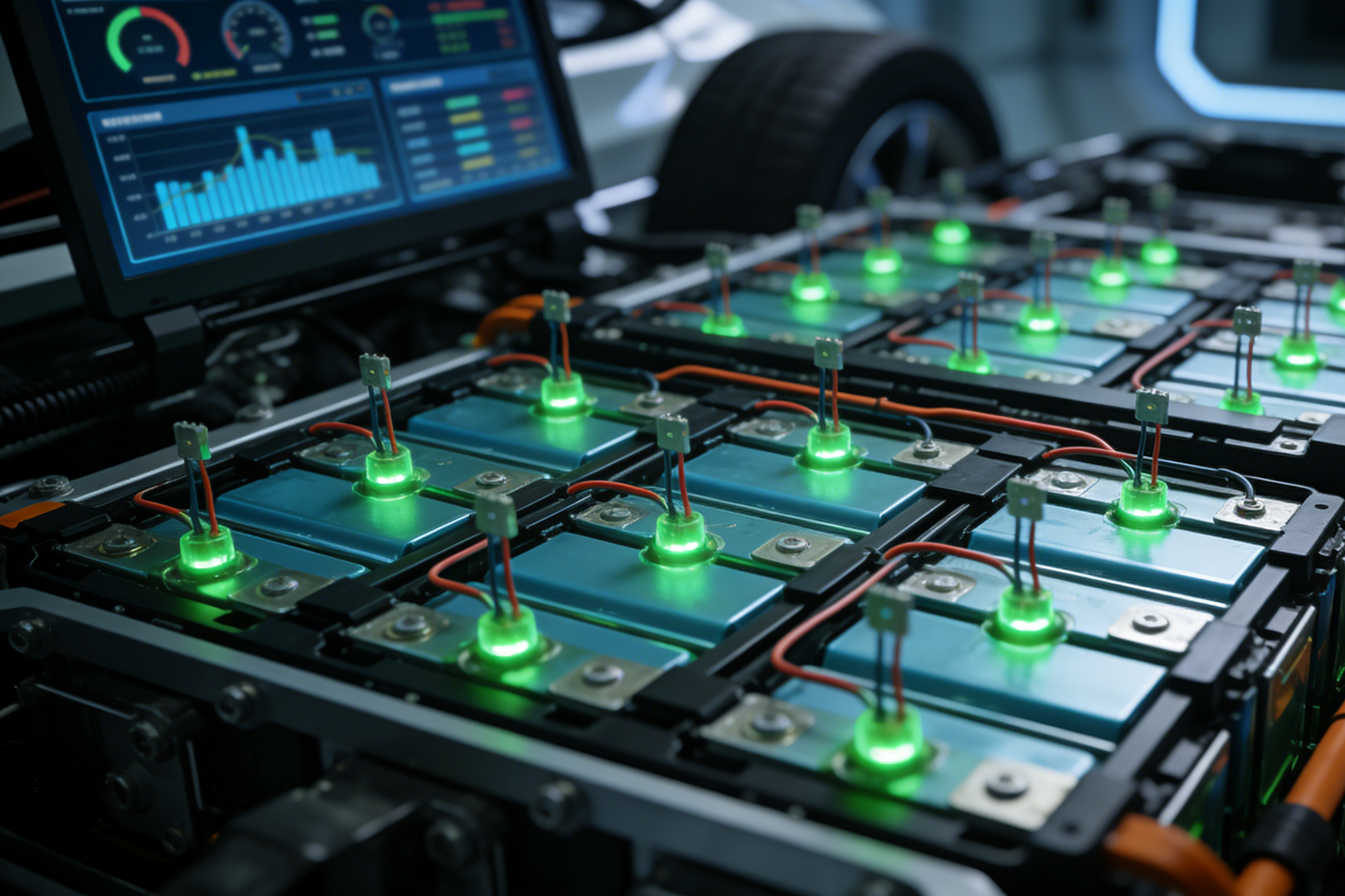
Automotive applications place some of the most stringent demands on temperature sensors. Vehicles operate across wide temperature ranges and must withstand vibration, humidity, dust, and electrical interference. Temperature sensing is used throughout the vehicle, including battery systems, motors, power electronics, HVAC units, and electronic control modules.
NTC temperature sensors are widely adopted in automotive systems because of their robustness and proven reliability. In battery management systems, temperature monitoring helps prevent thermal imbalance and overheating. In motors and power electronics, sensors provide early warnings that support protective control strategies and extend component lifespan.
As vehicles become more electrified and intelligent, temperature sensing is evolving from isolated measurement points into part of an integrated thermal management strategy. This shift places greater emphasis on sensor stability, environmental adaptability, and consistent performance under dynamic conditions.
Automation Equipment: Stability for Continuous Operation
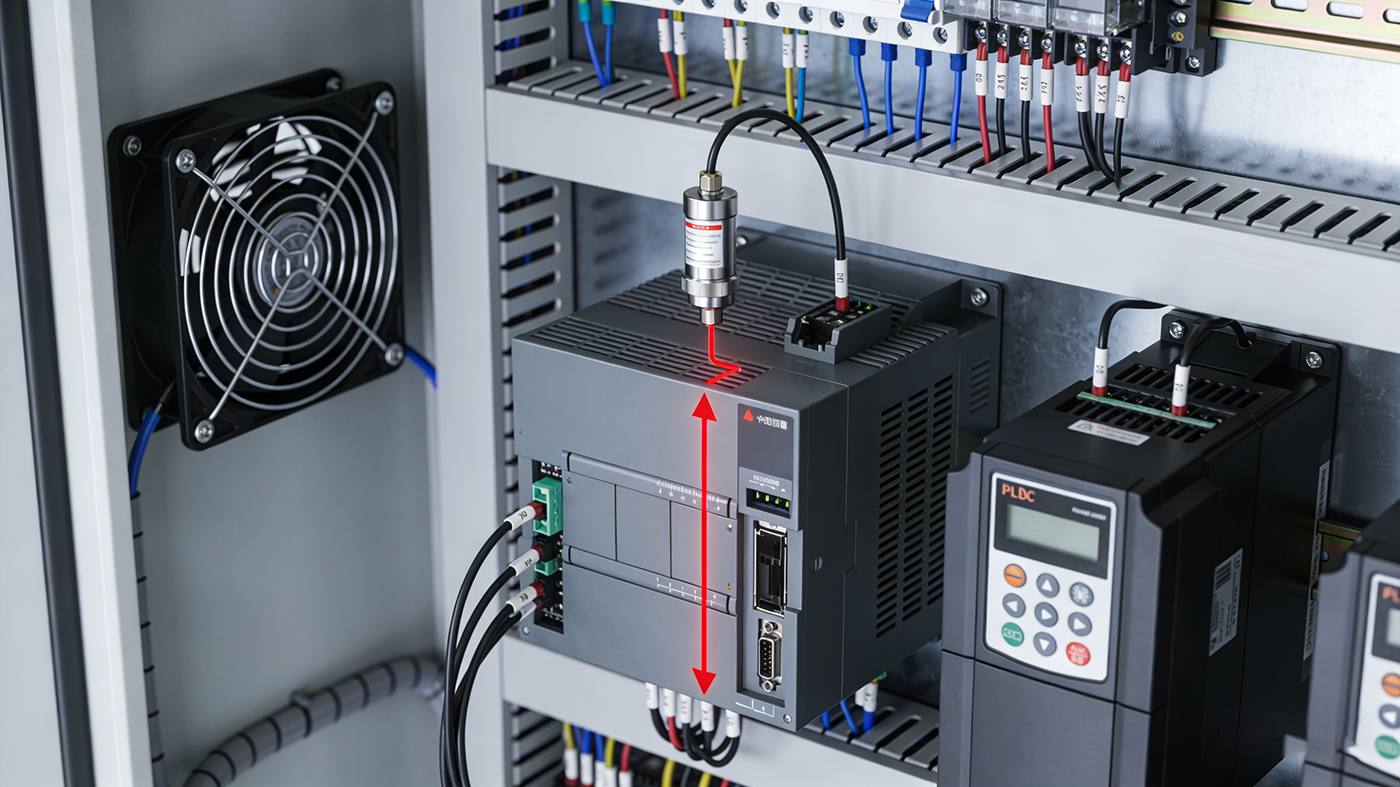
In industrial automation and control systems, temperature sensors are often required to operate continuously for extended periods. Any drift or failure can result in system downtime, production losses, or equipment damage.
Temperature sensors are commonly used in control cabinets, power supplies, motor drives, and industrial electronics to monitor critical components and trigger protective measures when needed. In these environments, resistance to electrical noise, mechanical stress, and ambient temperature variation is essential.
We have found that consistency across batches and long-term reliability are key concerns for automation applications. Engineers need sensors that behave predictably over time, allowing systems to run safely with minimal intervention. This makes manufacturing stability and quality control just as important as sensor design itself.
Designing Sensors Around Real Applications
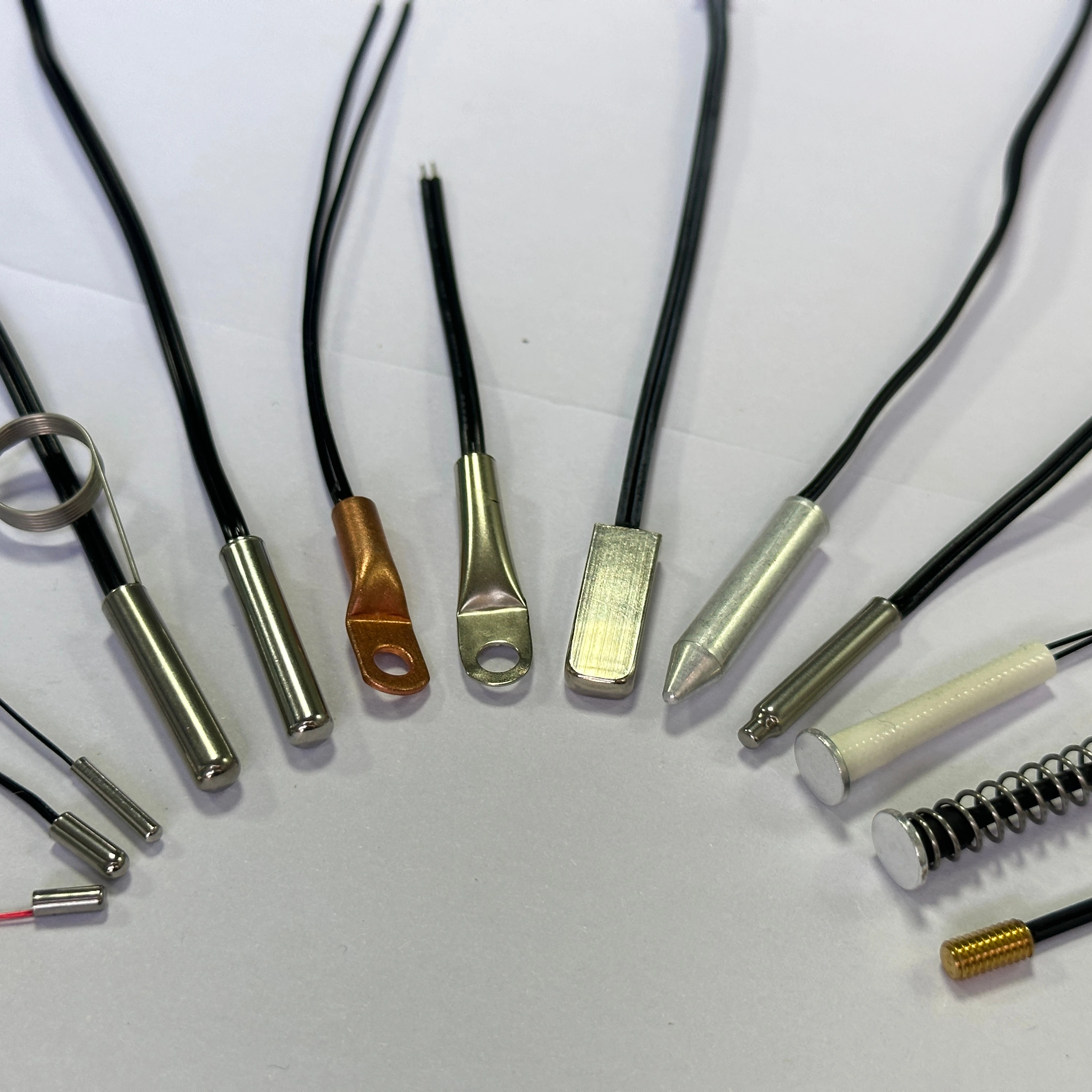
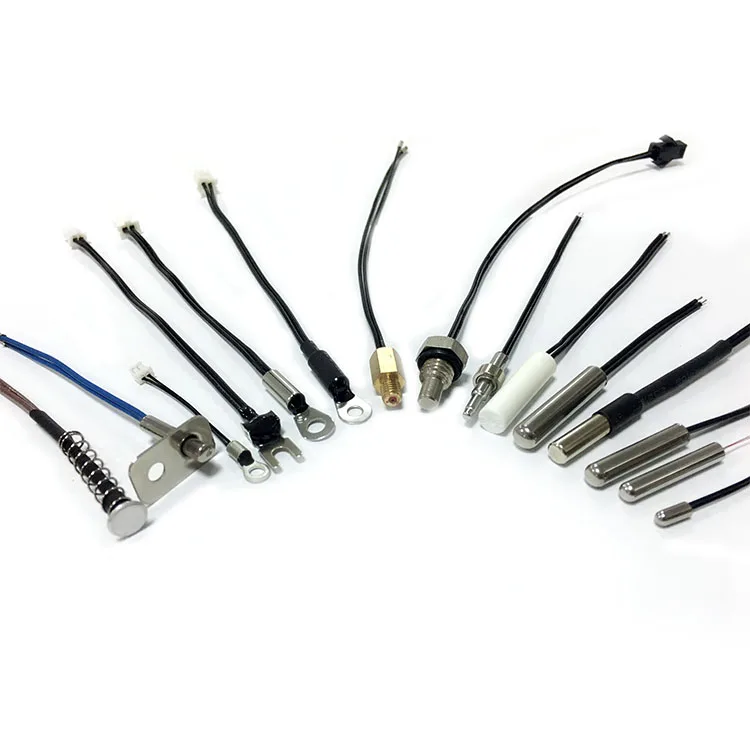
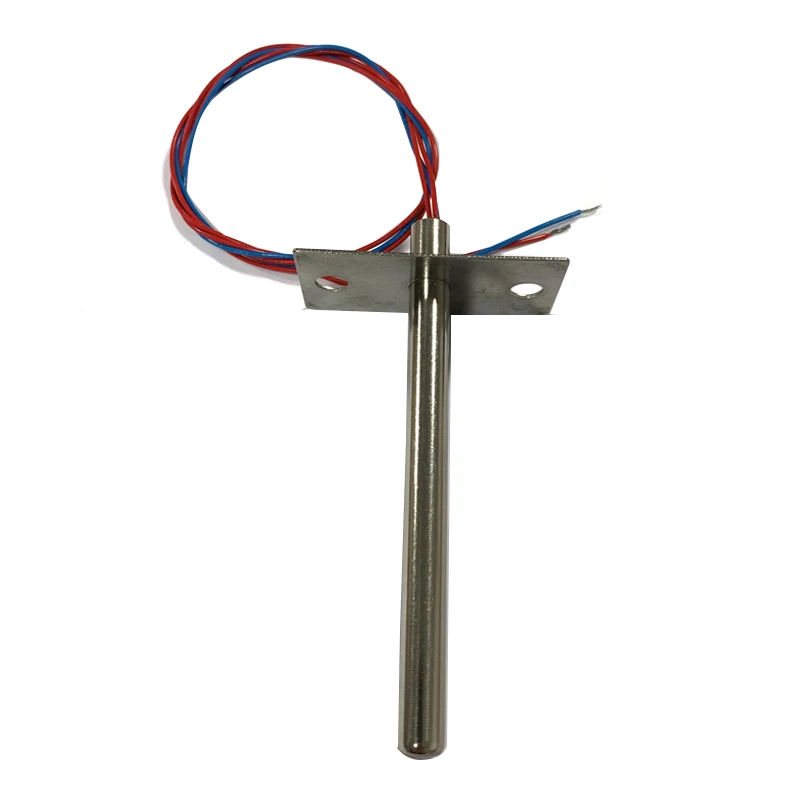
Across all these industries, one principle remains consistent: temperature sensors must be designed around real operating conditions. Factors such as mounting method, encapsulation, thermal contact, and environmental exposure often have a greater impact on performance than nominal accuracy alone.
By focusing on application-oriented design, we develop temperature sensors that integrate smoothly into different systems. Whether the requirement is fast response, compact size, environmental resistance, or long-term stability, the goal is always to support reliable system operation rather than add complexity.
Our background in sensitive element materials and long-term manufacturing experience allows us to support both standard and customized temperature sensor solutions. This flexibility helps engineers address specific design challenges without compromising system performance.
Supporting the Next Generation of Intelligent Systems
As electronic systems continue to advance toward higher intelligence, automation, and energy efficiency, the importance of reliable temperature sensing will only increase. From everyday household products to advanced automotive and industrial systems, temperature sensors remain a quiet but essential foundation.
By continuously refining materials, structures, and manufacturing processes, we aim to support the evolving needs of modern electronics with dependable temperature sensing solutions designed for real-world applications.
 ×
×
 Hot News


 EN
EN