
 EN
EN



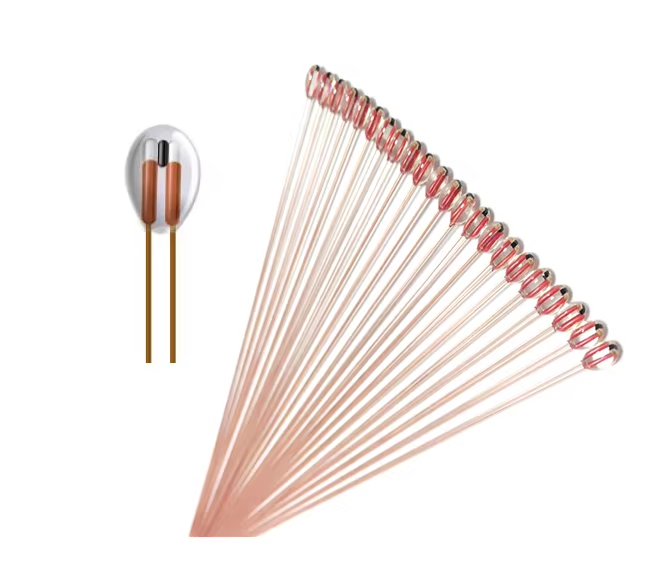
এসএমডি থার্মিস্টরের মৌলিক ধারণা: উৎপাদন এবং এসএমটি-এর সাথে ভূমিকা মিল
এসএমডি থার্মিস্টরের আকৃতি ও ডিজাইন: সহজ অবস্থান নির্ধারণ ও রিফ্লো প্রক্রিয়ার জন্য
এসএমডি থার্মিস্টরগুলির জ্যামিতি মানক আয়তক্ষেত্র বা সিলিন্ডার (০৪০২ - প্রায় ১ × ০.৫ মিমি) অথবা (১২০৬ - প্রায় ৩.২ × ১.৬ মিমি) আকৃতিতে নির্মাণের অনুমতি দেয়, যা স্বয়ংক্রিয় সারফেস মাউন্ট টেকনোলজি (এসএমটি) অ্যাসেম্বলি লাইনের জন্য আদর্শ। কম তাপীয় ভর এবং ছোট ও কঠোরভাবে নিয়ন্ত্রিত মাত্রার সমমানের টার্মিনালগুলির সংমিশ্রণ সঠিক ও নির্ভুল সোল্ডার পেস্ট স্থাপন নিশ্চিত করে এবং টম্বস্টোন ত্রুটিগুলিকে ন্যূনতম করে। টার্মিনালগুলির আকৃতি মুদ্রিত সার্কিট বোর্ড (পিসিবি)-এর পরিবাহী পৃষ্ঠের সমতলীয় হওয়ার জন্য ডিজাইন করা হয়েছে, যাতে সোল্ডার ফাঁকগুলি ন্যূনতম হয় এবং সোল্ডার জয়েন্টগুলি সর্বাধিক হয়, একইসাথে সন্নিহিত টার্মিনালগুলির মধ্যে কোনও সোল্ডার ব্রিজ তৈরি হওয়া রোধ করা যায়। থার্মিস্টরগুলি স্বয়ংক্রিয় অ্যাসেম্বলি মেশিনগুলি দ্বারা স্থাপনের জন্য ডিজাইন করা হয়েছে, যার স্থাপন নির্ভুলতা প্রতি ঘণ্টায় ৩০,০০০টি স্থাপনের ক্ষেত্রে প্রায় ± ০.১ মিমি। ডিজাইন উদ্ভাবন এবং স্বয়ংক্রিয় স্থাপনের সংমিশ্রণের মাধ্যমে উচ্চ উপাদান ঘনত্বযুক্ত সার্কিট অ্যাসেম্বলিগুলি নির্মাণ করা সম্ভব হয়, যখন সমগ্র অ্যাসেম্বলিতে কার্যকর তাপীয় ব্যবস্থাপনা বজায় রাখা হয়।
উচ্চ ঘনত্বের PCB-এ NTC বনাম PTC থার্মিস্টর নির্বাচন
নেগেটিভ টেম্পারেচার কো-এফিশিয়েন্ট (NTC) এবং পজিটিভ টেম্পারেচার কো-এফিশিয়েন্ট (PTC) সারফেস মাউন্ট ডিভাইস (SMD) থার্মিস্টরগুলি আধুনিক ইলেকট্রনিক্সে বিভিন্ন কাজ সম্পাদন করে। উদাহরণস্বরূপ, ব্যাটারি মনিটরিং, প্রসেসরের অতিরিক্ত তাপ নিয়ন্ত্রণ এবং স্মার্ট ওয়্যারেবলসহ বিভিন্ন ক্ষেত্রে NTC থার্মিস্টরগুলি লক্ষ্য তাপমাত্রা থেকে ০.৫°C পর্যন্ত সঠিক তাপমাত্রা পরিমাপ প্রদান করে। এটি রেজিস্টিভ তাপমাত্রা ঘটনার কারণে ঘটে, যেখানে NTC থার্মিস্টরগুলির প্রতিরোধ তাপমাত্রা বৃদ্ধির সাথে হ্রাস পায়। PTC থার্মিস্টরগুলি বিপরীত কাজ সম্পাদন করে। তাপমাত্রা একটি নির্দিষ্ট সীমা (সাধারণত ৫°C পরিসরের মধ্যে) অতিক্রম করলে এদের প্রতিরোধ হঠাৎ বৃদ্ধি পায়। এটি পাওয়ার এবং USB লাইনগুলিতে অতি-কারেন্ট সনাক্তকরণের জন্য PTC গুলিকে আদর্শ করে তোলে এবং এগুলি স্ব-রিসেট করা যায় এমন অন্তর্নির্মিত নিরাপত্তা সুইচ হিসাবে কাজ করে। থার্মিস্টরগুলির এই কার্যকারিতা সংক্রান্ত পার্থক্যগুলি লক্ষ্য অ্যাপ্লিকেশনের জন্য উপাদান নির্বাচনে অত্যন্ত গুরুত্বপূর্ণ।
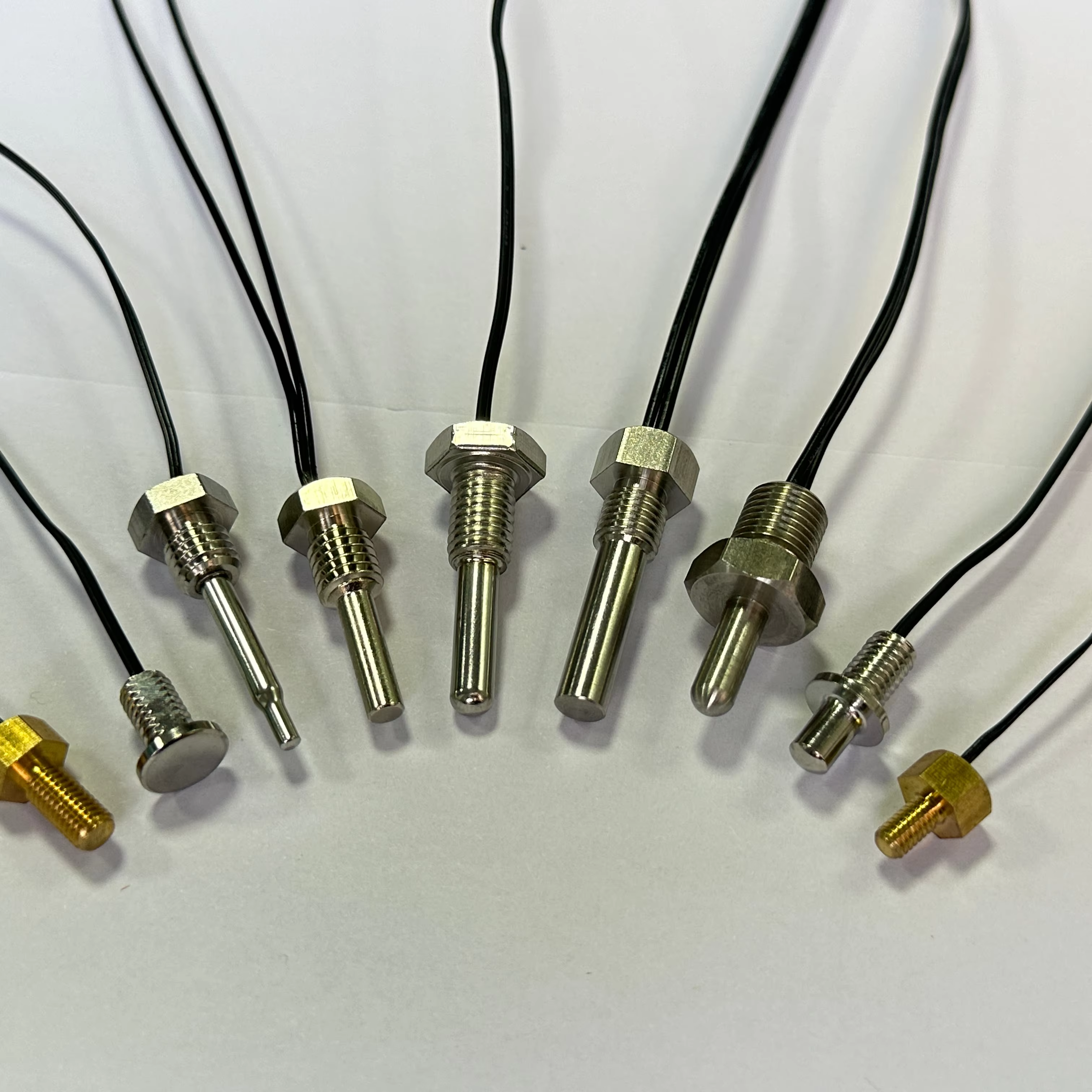
প্রতিক্রিয়া সময়, পাওয়ার হ্যান্ডলিং এবং লেআউট সিনার্জি বৈশিষ্ট্য
এনটিসি থার্মিস্টরগুলি হ্রাসকৃত তাপীয় ইনার্শিয়ালের কারণে < ১ সেকেন্ডের প্রতিক্রিয়া সময় অর্জন করে। পিটিসি থার্মিস্টরগুলি 100 এ এর ওভারজোরে বর্তমান পরিচালনা করতে সক্ষম যা সার্কিট সুরক্ষা অ্যাপ্লিকেশনগুলিতে দরকারী। ক্ষুদ্রায়িত ডিভাইসে, এনটিসিগুলি তাপ উত্সগুলির কাছাকাছি তাপীয় পর্যবেক্ষণ সক্ষম করে যখন পিটিসিগুলি অতিরিক্ত স্থান দখল না করে সার্কিট সুরক্ষা সরবরাহ করে। অতএব, উপাদান বৈশিষ্ট্যগুলির পারফরম্যান্স নির্বাচন সরাসরি PCB এর উদ্দেশ্যে ফাংশন এবং অ্যাপ্লিকেশনগুলির সাথে সামঞ্জস্যপূর্ণ।
ক্ষুদ্র ও উচ্চ-কার্যকারিতা ইলেকট্রনিক্সের জন্য এসএমডি থার্মিস্টরগুলির মূল সুবিধা
সঠিকতা নিয়ে আপস না করেই ছোট আকার এবং উচ্চ ঘনত্বের তাপ সংবেদনশীলতা
সারফেস মাউন্ট থার্মিস্টরগুলি খুব ছোট জায়গায় স্থাপন করা যায়, বিশেষ করে IoT এজ ডিভাইস, মিনিয়েচারাইজড হিয়ারিং এইড এবং এমনকি চিকিৎসা সংক্রান্ত ইমপ্লান্টগুলিতে। এগুলি ০২০১ মাপের স্ট্যান্ডার্ড আকারে পাওয়া যায়, যা ০.৬ মিমি × ০.৩ মিমি। পাতলা ফিল্ম এবং প্যাটার্নযুক্ত ইলেকট্রোডের উপর ভিত্তি করে তৈরি একটি উৎপাদন প্রযুক্তি ব্যবহার করে এদের -৪০ °C থেকে +১২৫ °C তাপমাত্রা পরিসরে ±১% রেজিস্ট্যান্স টলারেন্স অর্জন করা হয়। ফলস্বরূপ, নির্মাতারা পরিমাপের নির্ভুলতা হ্রাস করে ছোট আকার অর্জনের জন্য কোনো আপোস করতে হয় না। থার্মিস্টরগুলির একটি সমরূপ ডিজাইন রয়েছে এবং এগুলিকে তাপ উৎস বা ইন্টিগ্রেটেড সার্কিটের খুব কাছাকাছি—মাত্র অর্ধ মিলিমিটার দূরে—স্থাপন করা যায়। এটি ডিজাইনারদের পূর্ববর্তী থ্রু-হোল ডিজাইনের সমান জায়গায় তাপমাত্রা সেন্সরের সংখ্যা পাঁচ গুণ বৃদ্ধি করতে এবং ঘন ঘন পুনর্ক্যালিব্রেশনের প্রয়োজন ছাড়াই নির্ভরযোগ্য কার্যকারিতা বজায় রাখতে সক্ষম করে।
তাপমাত্রা-সংবেদনশীল লো-প্রোফাইল থার্মিস্টার (SMD) এক সেকেন্ডেরও কম সময়ে তাপমাত্রার ওঠানামায় সাড়া দেয়, যা প্রচলিত বিড বা ডিস্ক মডেলের চেয়ে ১০ গুণ বেশি কার্যকর! কম তাপীয় ভর এবং উন্নত তাপ স্থানান্তর পথ এই দ্রুত সাড়া দেওয়ার সময়ে অবদান রাখে। উদাহরণস্বরূপ, সিরামিক সাবস্ট্রেট এবং নিকেল হিট ব্যারিয়ার/মনিটরিং সারফেস তাপীয় কার্যকারিতায় প্রাধান্য দেয়। সেন্সরগুলো তাপমাত্রার ওঠানামায় সাড়া দেয় এবং আর্দ্রতার প্রভাব কমাতে একটি রেজিন প্রতিরক্ষামূলক আবরণে আবদ্ধ হয়, যাতে আর্দ্রতা বৃদ্ধি এবং/অথবা ঘনীভূত জলের মধ্যেও সেন্সিং নির্ভুলতা বজায় থাকে। লিথিয়াম আয়ন ব্যাটারির অতিরিক্ত গরম হওয়া এবং/অথবা প্রসেসরের থ্রটলিং প্রতিরোধ করার জন্য দ্রুত সাড়া দেওয়ার সময় অত্যন্ত গুরুত্বপূর্ণ। পরীক্ষায় দেখা গেছে যে এই সেন্সরগুলো সাধারণত ৫,০০,০০০-এরও বেশি থার্মাল সাইকেলে কাজ করে, যা স্বয়ংচালিত উন্নত ড্রাইভার-সহায়তা সিস্টেম (ADAS)-এর ট্র্যাফিক পারিপার্শ্বিক সেন্সরগুলিতে স্থায়ী থার্মাল সাইকেল এনগেজমেন্ট (5G)-এর ব্যাখ্যা দেয়।
উৎপাদন উৎকৃষ্টতা: স্বয়ংক্রিয় SMT উৎপাদনে এসএমডি থার্মিস্টর
পিক-অ্যান্ড-প্লেস, রিফ্লো এবং AOI-এর সাথে সম্পূর্ণ সামঞ্জস্যপূর্ণ
সারফেস মাউন্ট থার্মিস্টরগুলি সমস্ত SMT অটোমেশনের সাথে সম্পূর্ণরূপে সামঞ্জস্যপূর্ণ। ভলিউম উৎপাদন অপরিবর্তিত থাকে, কারণ ভ্যাকুয়াম পিক-আপ টুলগুলি এই কম্পোনেন্টগুলিকে সবচেয়ে সংকীর্ণ স্থানগুলিতে, এমনকি ০.৪ মিমি পিচের BGA-এর মধ্যেও স্থাপন করতে পারে। লেড-ফ্রি সোল্ডারিংয়ের সময় থার্মিস্টরগুলির উপর প্রি-হিটিং এবং ২৪০ থেকে ২৬০ ডিগ্রি সেলসিয়াস পর্যন্ত শীর্ষ তাপমাত্রা প্রয়োগ করা হয় এবং ঘরের তাপমাত্রায় নিয়ন্ত্রিত শীতলীকরণ করা হয়; এই প্রক্রিয়ায় সারফেস মাউন্ট থার্মিস্টরগুলিতে কোনো ক্ষতিকর প্রভাব—যেমন ছাল ছিঁড়ে যাওয়া, ফাটল ধরা বা বৈদ্যুতিক বৈশিষ্ট্যে পরিবর্তন—ঘটে না। স্বয়ংক্রিয় ভিজুয়াল ইনস্পেকশন (AVI) থার্মিস্টরগুলিকে মূল্যায়ন করতে পারে, কারণ এদের পৃষ্ঠটি সমতল, ম্যাট এবং নিয়মিত বাক্স-আকৃতির। থার্মিস্টরগুলি কম্পোনেন্টের কোপ্ল্যানারিটি, সোল্ডার আয়তন এবং সোল্ডার প্রবাহ পরীক্ষার ক্ষেত্রে কোনো বাধা সৃষ্টি করে না। একটি পরীক্ষা স্টেশন প্রতি ঘণ্টায় ২৫,০০০-এর বেশি পরীক্ষা সম্পন্ন করতে পারে। উৎপাদন প্রক্রিয়ার প্রতিটি ধাপে সম্পূর্ণ স্বয়ংক্রিয় একীকরণ অ্যাসেম্বলি খরচে প্রায় ৩০% সাশ্রয় করে, এবং ত্রুটির হার ৫০ ppm-এর নিচে থাকায় উৎপাদন ত্রুটির মান IPC-A-610 ক্লাস ৩ এর মানদণ্ডের সাথে সম্পূর্ণরূপে সঙ্গতিপূর্ণ।
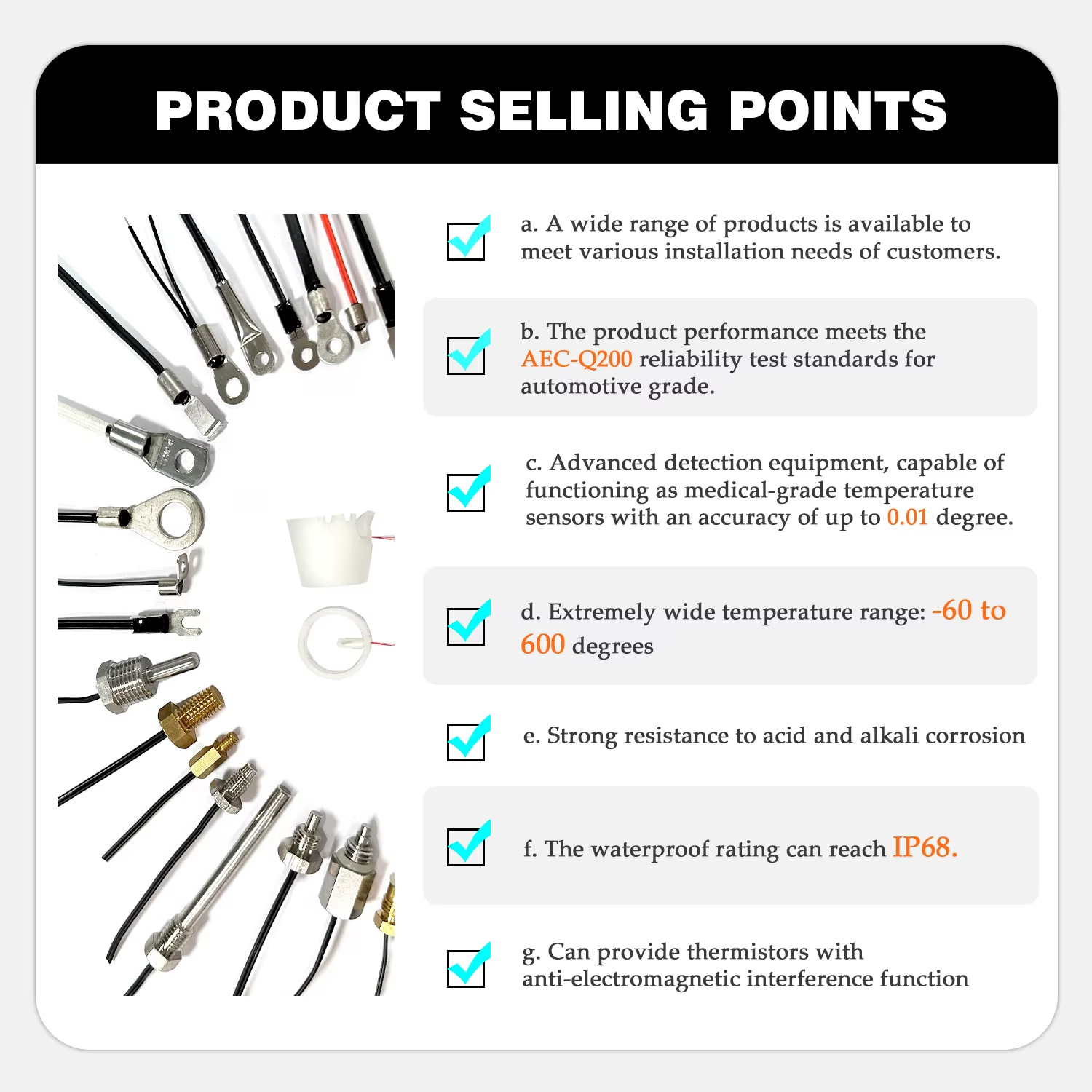
বিশ্বস্ততা এবং রক্ষণাবেক্ষণযোগ্যতা: কেন SMD থার্মিস্টরগুলি বাস্তব জীবনের SMT অ্যাপ্লিকেশনের জন্য সর্বোত্তম পছন্দ?
প্রমাণিত তাপীয় চক্র প্রতিরোধ ক্ষমতা (IPC-9701A) এবং পুনরায় কাজ করা বন্ধুত্বপূর্ণ সোল্ডার জয়েন্ট অখণ্ডতা
সারফেস মাউন্ট থার্মিস্টরগুলি IPC-9701A থার্মোসাইক্লিং পরীক্ষায় পরীক্ষা করা হলে তাদের রেজিস্ট্যান্সে ১% এর কম ড্রিফট দেখা যায়, এমনকি -৫৫ থেকে +১৫০ ডিগ্রি পর্যন্ত ১,০০০ চক্রের পরীক্ষায়ও। থার্মিস্টরগুলি কঠিন কাজের পরিবেশ—যেমন ইঞ্জিনে—অত্যন্ত সঠিক পরিমাপ প্রদান করে, যেখানে তাপমাত্রা পরিবর্তনের ফলে থার্মিস্টরের বিভিন্ন উপাদান পৃথক হতে পারে। এগুলি ঐতিহ্যবাহী থার্মিস্টর ও সিরামিকগুলির তুলনায় ফাটল ধরার ঝুঁকি কম। থার্মিস্টরগুলি হট এয়ার টুইজার্স মাউন্ট করতে ব্যবহার করা যায়, এবং কাজ করার সময় টেকনিশিয়ান একটি থার্মিস্টর সহজেই অপসারণ করতে পারেন, যাতে ০.৩ মিমি সার্কিট ট্রেস, ছোট কম্পোনেন্ট বা এমনকি এর পাশের অত্যন্ত সূক্ষ্ম পিচের কম্পোনেন্টগুলিতে কোনো বিঘ্ন না ঘটে। এই রিওয়ার্ক পদ্ধতি ক্ষেত্রে ব্যবহৃত সার্কিট বোর্ডগুলির মধ্যে প্রায় ২২% বাঁচিয়ে নেওয়া সম্ভব। বহুবার সোল্ডারিং করার পরেও থার্মিস্টরটি তার তাপীয় প্রতিক্রিয়াশীলতা, বৈদ্যুতিক অবিচ্ছিন্নতা এবং টার্মিনালগুলিতে ভালো সোল্ডার বন্ড হারায় না।
প্রায়শই জিজ্ঞাসিত প্রশ্ন
এসএমডি ধরনের থার্মিস্টরগুলির সাধারণ আকৃতি ও আকারগুলি কী কী?
এসএমডি থার্মিস্টরগুলি আয়তক্ষেত্রাকার এবং চৌষট্টাকার উভয় আকৃতিতে পাওয়া যায়। এই থার্মিস্টরগুলির সাধারণ আকারগুলি হল ০৪০২ (প্রায় ১ মিমি × ০.৫ মিমি) এবং ১২০৬ (প্রায় ৩.২ মিমি × ১.৬ মিমি)।
এনটিসি এবং পিটিসি এসএমডি থার্মিস্টরের মধ্যে কার্যকরী পার্থক্যগুলি কী কী?
তাপমাত্রা বৃদ্ধি পেলে এনটিসি থার্মিস্টরগুলির রোধ হ্রাস পায়। এটিই এদের তাপমাত্রা পর্যবেক্ষণের জন্য উপযোগী করে তোলে। পিটিসি থার্মিস্টরগুলি নির্দিষ্ট তাপমাত্রা পরিসরে রোধ বৃদ্ধি করে, ফলে এগুলি সার্কিট সুরক্ষা হিসাবে পুনঃস্থাপনযোগ্য ফিউজ হিসাবে ব্যবহার করা যায়।
উচ্চ-কর্মক্ষমতাসম্পন্ন ইলেকট্রনিক্সে এসএমডি থার্মিস্টর ব্যবহারের সুবিধাগুলি কী কী?
এসএমডি থার্মিস্টরগুলির ছোট আকার রয়েছে, তাই এগুলি সংকুচিত স্থানে ব্যবহার করা যায়। এদের তাপীয় ভর কম হওয়ায় দ্রুত প্রতিক্রিয়া সময় প্রদান করে এবং এরা সঠিক তাপমাত্রা প্রতিক্রিয়া প্রদান করে এবং তাদের নির্ভুলতা হারায় না।
কেন স্বয়ংক্রিয় এসএমটি উৎপাদনের জন্য এসএমডি থার্মিস্টরগুলিই সর্বোত্তম পছন্দ?
এসএমডি থার্মিস্টরগুলিকে এমনভাবে উৎপাদন করা হয়েছে যাতে এগুলি এই প্রক্রিয়াগুলির জন্য সবচেয়ে উপযুক্ত হয়। এসএমডি থার্মিস্টরগুলি সঠিকভাবে স্থাপন করা যায়, সহজেই পরীক্ষা করা যায় এবং সহজেই সোল্ডার করা যায় বলে উৎপাদন প্রক্রিয়াটি সরলীকৃত হয়েছে।
এসএমডি থার্মিস্টরগুলির তাপীয় চক্র পারফরম্যান্স কী?
এসএমডি থার্মিস্টরগুলি উচ্চ তাপমাত্রায় অতিরিক্ত বিশ্বস্ততা প্রদান করে কারণ এগুলি আইপিসি-৯৭০১এ-এর তাপীয় চক্র পরীক্ষায় ১% এর কম রেজিস্ট্যান্স ড্রিফট নিয়ে পাস করে।

