
 EN
EN



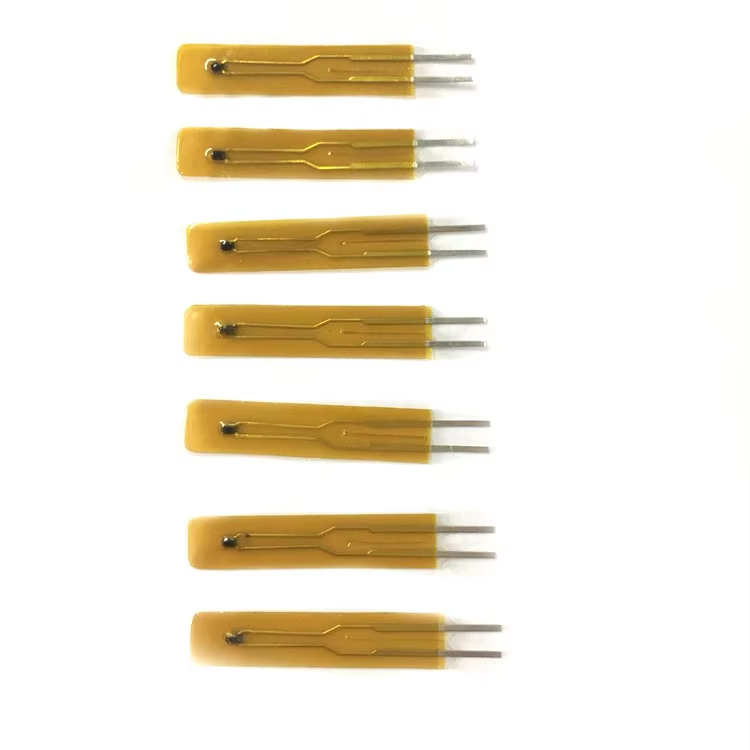
The importance of temperature sensing is of paramount importance in various sectors, be it electronics, healthcare, etc., and recently, thin film thermistor technology has proven to be useful in such cases. XX Sensor has used thin film thermistor technology to manufacture high quality products for the temperature sensing industry. Thanks to their R&D and quality control, XX Sensor is able to position themselves in the industry with the most accurate thermistors. The problems associated with traditional temperature sensors is what thin film thermistors try to solve. It makes it the most optimal sensor to use in demanding applications. XX Sensor's thin film thermistor technology has undoubtedly proven to give temperature sensing the next standard.
The benefits of thin-film thermistors on temperature sensing accuracy.
The thin film thermistors from XX Sensors demonstrate unrivaled accuracy. In the XX Sensor thin film thermistor products, the ultra-fine film layers are manufactured using state of the art deposition techniques. In this manufacturing process, the thin film devices are created with the same temperature characteristics. Therefore, they demonstrate a reduction of measurement errors. Unlike bulk thermistors, thin film thermistors are manufactured with tighter tolerance controls, providing accuracy within a specified temperature range of ± 0.1 °C. The engineering team at XX Sensors focuses on each design of the thin film thermistor in order to achieve reliability in the broader temperature spectra. In sectors such as aerospace and medical devices where accuracy and precision are crucial, the thin film thermistor technologies deliver exceptional performance where conventional sensors fail.
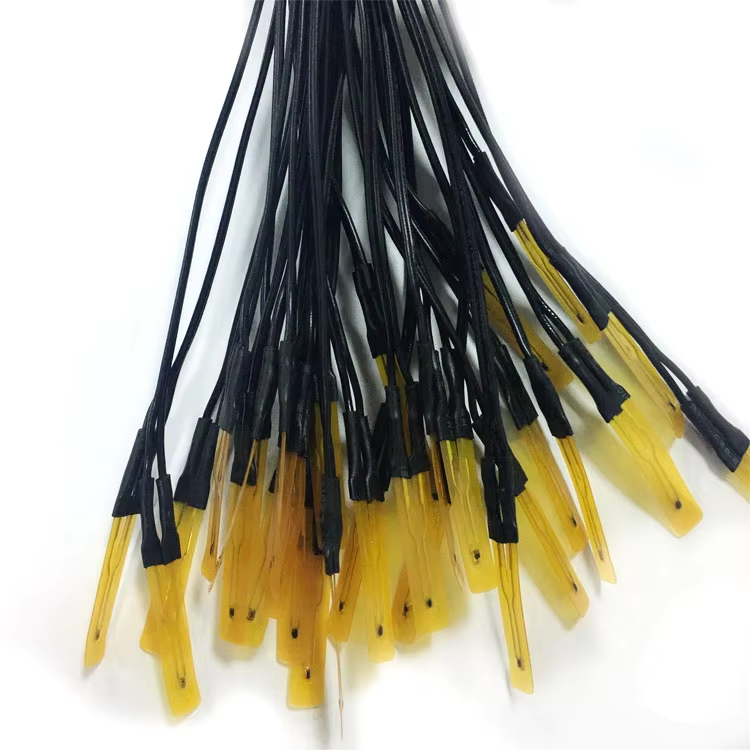
Improved Response Speed: A Breakthrough with Thin Film Thermistors
Responding to changes in temperature quickly is another area where thin film thermistors have shown success against conventional temperature sensing solutions. Thin film thermistors made by XX Sensors have an incredibly small thermal mass due to their thin film construction. This allows devices made with thin film thermistors to respond to temperature changes in milliseconds, making them suitable for dynamic applications. XX Sensors’ thin film thermistors provide unrivaled responsiveness, whether they are used in industrial processes to monitor and control rapidly changing temperatures, or in processes and devices where real time thermal feedback is needed. XX Sensors’ thin film thermistors have proven to be extremely responsive, even in very strict environments. This speed greatly enhances the time sensitive functionality of thin film thermistors, eliminating the inefficiencies or safety concerns caused by waiting for data that is pertinent in a particular application.
The ability of thin film thermistor technology to be miniaturized
The continuous miniaturization of electronic devices can result in the complete integration of thin film thermistor technology. XX Sensor's thin film thermistors are designed to be compact and can be miniaturized within the electronic device. Thermistor thin film devices that use the thin film deposition process can be constructed on small substrates and maintain their performance. Wearable technology, IoT devices, and small medical devices are great uses of this technology. XX Sensor also custom designs thermistors of various sizes to fit in designs where space is more limited. As thin film thermistors evolve, more devices will be miniaturized and modernized.

The assurance of durability and stability of XX Sensor's Thin Film Thermistor.
Commercial and industrial uses of temperature sensors require them to be durable and to withstand extreme environments. This is what thin film thermistor is designed to do. XX Sensor uses high quality materials to manufacture their thin film thermistors and protects them through robust encapsulation against moisture, chemicals, and mechanical stress. In addition, the structural stability of thin film provides excellent thermal cycling stability. This ensures good thermal cycling performance over thousands of temperature cycles. XX Sensors’ thin film thermistors are designed to yield maximum durability and reliability as they are subjected to rigourous environmental reliability testing to extreme temperatures, humidity, and vibration. This makes thin film technology greatly suited for industrial automation, automotive systems, and outdoor remote sensing applications. Customers highly regard and trust XX Sensor for their thin film thermistors for the durability and performance the products provide.
The adoption of thin film thermistors in various industries
Several sectors are starting to use thin film thermistors as a result of their growing potential, especially in the automotive and medical manufacturing industries. Thin film devices are used in the electronics industry for thermal management in semiconductors and circuit boards, while the medical field utilizes thin film thermistors for precise temperature monitoring in diagnostic equipment and health tracking wearables. In the automotive industry, manufacturers use thin film thermistors from XX Sensors for battery management systems, as well as for controlling the temperature of the engines. In the field of industrial automation, thin film thermistors are used in process monitoring and quality control to help maintain a consistent rate of production. In the Internet of Things (IoT) and smart home industries, the miniaturization of thin film thermistors allows for simple incorporation into a variety of devices to help them become interconnected. More industries are becoming aware of the benefits of thin film thermistors; at this time, XX Sensors is the leader in providing customized solutions to meet the needs for specific applications.
Table of Contents
- The benefits of thin-film thermistors on temperature sensing accuracy.
- Improved Response Speed: A Breakthrough with Thin Film Thermistors
- The ability of thin film thermistor technology to be miniaturized
- The assurance of durability and stability of XX Sensor's Thin Film Thermistor.
- The adoption of thin film thermistors in various industries

